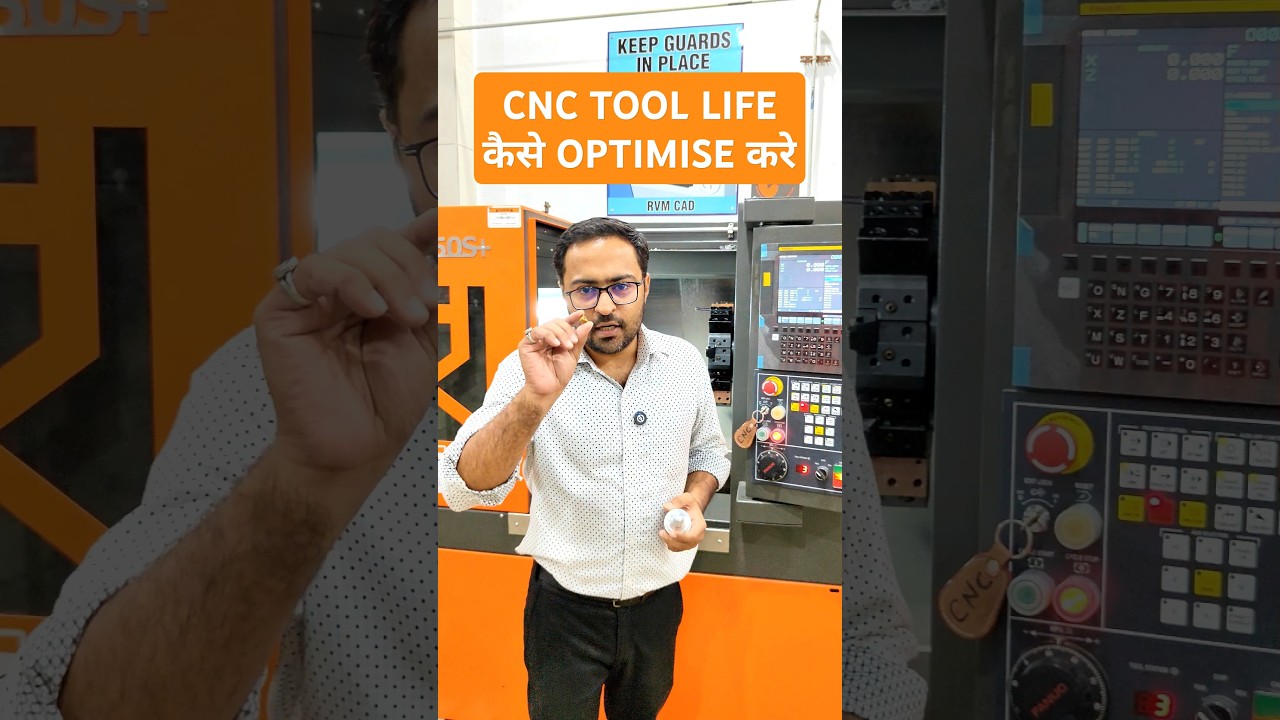
How to Optimize CNC Tool Life with a Smart CNC Monitor
This article provides an in-depth exploration of CNC monitor, covering foundational concepts, practical applications, and engineering insights.
In precision manufacturing, maximizing CNC tool life is crucial for reducing downtime, lowering operational costs, and maintaining consistent product quality. Premature tool wear and unexpected breakage not only disrupt production schedules but can also lead to costly machine damage. By implementing smart CNC programming techniques and effective monitoring strategies, manufacturers can significantly extend cutting tool longevity.
Key Factors Influencing CNC Tool Life
To optimize tool performance, operators and programmers must first understand the primary causes of tool wear. The main parameters affecting tool longevity include:
- Cutting Speed and Feed Rates: Running tools at excessively high speeds generates heat, accelerating thermal wear.
- Depth of Cut (DOC): Improper axial and radial engagement can overload the tool edges.
- Coolant Delivery: Inadequate coolant application leads to high friction and chip recutting.
- Toolpath Strategy: Abrupt direction changes create shock loads that weaken tool tips over time.
Enhancing Tool Life with a Modern CNC Monitor
While proper G-code programming is essential, real-time tracking is equally critical. Integrating an advanced CNC monitor into your machining setup allows engineers and operators to track live machine telemetry, spindle loads, and power spikes.
By keeping a close eye on your CNC monitor, you can identify micro-vibrations and irregular load patterns indicating that a tool is dulling. This real-time visual feedback empowers operators to swap out worn inserts before catastrophic failure occurs, preventing damaged workpieces and unplanned downtime.
Smart CNC Programming Techniques for Optimization
Optimizing your program logic is one of the most cost-effective ways to prolong tool life:
- Utilize Dynamic Toolpaths: Modern CAM software offers adaptive clearing or trochoidal milling toolpaths that maintain a constant tool engagement angle, drastically reducing thermal shock.
- Optimize Feeds and Speeds: Tailor cutting data precisely to the material hardness and tool coating specifications.
- Implement Ramp In/Out Moves: Avoid plunging directly into the material; instead, use helical or ramp entries to ease force impact.
Conclusion
Maximizing tool performance requires a proactive approach that bridges optimal CAM programming with live machine feedback. Leveraging a reliable CNC monitor ensures you have actionable, real-time data to refine your cutting parameters continuously, leading to longer tool life and improved shop-floor productivity.


