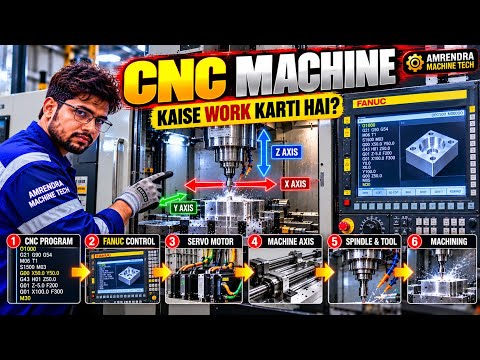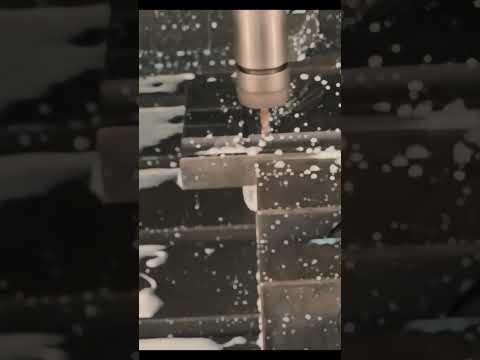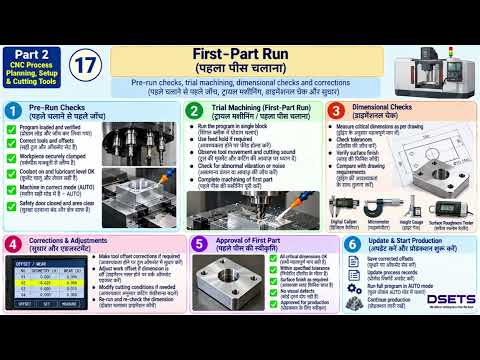
In the world of modern manufacturing, precision and speed are everything. Computer Numerical Control (CNC) machining relies heavily on advanced hardware and precise programming, but the actual physical transformation of raw stock into finished parts comes down to the cutting tools. To achieve absolute accuracy on the shop floor, a skilled CNC operator must thoroughly understand how different cutting tools function, how to select them for specific workpieces, and how to maintain them for peak efficiency.
Core Types of CNC Cutting Tools
CNC machines utilize a wide range of cutting tools depending on whether the operation involves milling, turning, or drilling.
- End Mills: Essential for CNC milling operations such as profiling, slotting, and contouring. They come in flat end, ball nose, and corner radius variations.
- Face Mills: Used to cut flat surfaces on a workpiece efficiently using replaceable indexable carbide inserts.
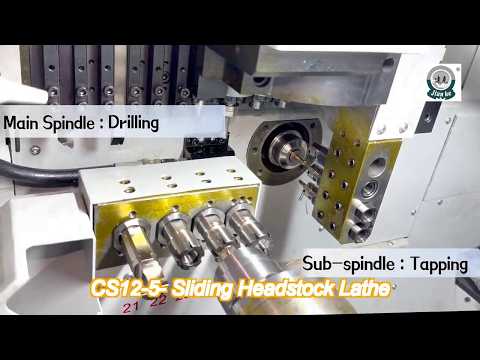
- Drills and Taps: Vital for creating accurate circular holes and internal threads within components.
- Lathe Turning Tools: Tailored for turning operations to remove material along the outer or inner diameters of cylindrical parts.
Tool Materials and Advanced Coatings
Selecting the correct tool substrate directly impacts tool life, maximum cutting speeds, and final surface finish. Common materials include High-Speed Steel (HSS), solid carbide, ceramics, and Polycrystalline Diamond (PCD).
To withstand extreme heat and friction, modern cutting tools are often coated with specialized compounds like Titanium Nitride (TiN) or Titanium Aluminum Nitride (TiAlN). These coatings dramatically improve hardness, reduce thermal wear, and extend tool longevity during demanding high-speed operations.
Best Practices for Tool Selection and Maintenance
Tool geometry, spindle speeds, and feed rates must be carefully calibrated to match the specific material being machined. Soft alloys like aluminum demand high speeds and sharp tool edges, while tough metals like stainless steel require rigid carbide tools and proper coolant application. Regular tool inspection and proactive wear monitoring are critical habits that every professional CNC operator should practice to prevent unexpected tool failure and minimize workpiece scrap.
Conclusion
Mastering CNC cutting tools is a continuous process of learning and hands-on application. Understanding how tool material, geometry, and machining parameters work together empowers every CNC operator to maximize productivity while delivering components that meet exact design specifications.