Showing posts with label CNC Machining. Show all posts

Essential CNC Cutting Tools: The Ultimate Guide for the Modern CNC Operator

In the world of modern manufacturing, precision and speed are everything. Computer Numerical Control (CNC) machining relies heavily on advanced hardware and precise programming, but the actual physical transformation of raw stock into finished parts comes down to the cutting tools. To achieve absolute accuracy on the shop floor, a skilled CNC operator must thoroughly understand how different cutting tools function, how to select them for specific workpieces, and how to maintain them for peak efficiency.

Core Types of CNC Cutting Tools

CNC machines utilize a wide range of cutting tools depending on whether the operation involves milling, turning, or drilling.

  • End Mills: Essential for CNC milling operations such as profiling, slotting, and contouring. They come in flat end, ball nose, and corner radius variations.
  • Face Mills: Used to cut flat surfaces on a workpiece efficiently using replaceable indexable carbide inserts.
  • Drills and Taps: Vital for creating accurate circular holes and internal threads within components.
  • Lathe Turning Tools: Tailored for turning operations to remove material along the outer or inner diameters of cylindrical parts.

Tool Materials and Advanced Coatings

Selecting the correct tool substrate directly impacts tool life, maximum cutting speeds, and final surface finish. Common materials include High-Speed Steel (HSS), solid carbide, ceramics, and Polycrystalline Diamond (PCD).

To withstand extreme heat and friction, modern cutting tools are often coated with specialized compounds like Titanium Nitride (TiN) or Titanium Aluminum Nitride (TiAlN). These coatings dramatically improve hardness, reduce thermal wear, and extend tool longevity during demanding high-speed operations.

Best Practices for Tool Selection and Maintenance

Tool geometry, spindle speeds, and feed rates must be carefully calibrated to match the specific material being machined. Soft alloys like aluminum demand high speeds and sharp tool edges, while tough metals like stainless steel require rigid carbide tools and proper coolant application. Regular tool inspection and proactive wear monitoring are critical habits that every professional CNC operator should practice to prevent unexpected tool failure and minimize workpiece scrap.

Conclusion

Mastering CNC cutting tools is a continuous process of learning and hands-on application. Understanding how tool material, geometry, and machining parameters work together empowers every CNC operator to maximize productivity while delivering components that meet exact design specifications.

Master Efficiency in CNC Programming: How to Copy and Paste Code Blocks on SYNTEC Controllers

In the fast-paced world of manufacturing, efficiency on the shop floor is everything. When working with SYNTEC controllers, knowing how to manipulate your G-code directly on the machine can save you significant setup time. Whether you are duplicating a complex milling sequence or rearranging tool paths, mastering basic editor operations is an essential skill for modern CNC programming.

In this step-by-step guide, you will learn how to effortlessly copy and paste program lines (blocks) directly on your SYNTEC controller.

Why Master Code Editing on Your Controller?

While many machinists perform offline programming using CAM software, making minor adjustments directly on the machine interface is often necessary. Manually retyping lines of G-code is not only tedious but also increases the risk of costly input errors.

By learning how to copy and paste code blocks, you can streamline your CNC programming workflow, minimize setup downtime, and ensure consistent execution of repeated machining operations.

Step-by-Step Guide to Copying and Pasting Blocks

Follow these straightforward steps to duplicate lines of code within your program on a SYNTEC interface:

  1. Enter Edit Mode: Switch your SYNTEC controller to Edit mode and load the program file you wish to modify.
  2. Highlight Source Blocks: Move your cursor to the beginning of the G-code block you want to copy. Use the controller's softkeys (such as Mark or Select) to highlight the target lines.
  3. Execute Copy: Press the Copy softkey on the screen interface to save the highlighted lines to the controller's internal clipboard.
  4. Position the Cursor: Scroll to the exact position within the program where the new code should be placed.
  5. Paste the Selection: Press the Paste softkey to insert the duplicated G-code blocks into their new location.

Best Practices Before Running the Code

Before executing your newly modified program, always complete a quick safety audit: * Check Tool Calls & Offsets: Confirm that copied tool numbers and spindle speeds align with the current operational sequence. * Verify Clearance Heights: Ensure safe retract levels (Z-axis clearances) are maintained to prevent accidental machine collisions. * Perform a Dry Run: Use single-block execution or a dry run above the workpiece to verify that the pasted code executes smoothly.

Conclusion

Optimizing machine productivity relies heavily on smart controller navigation. By incorporating these simple copy-and-paste techniques into your regular CNC programming routine, you can reduce manual editing errors, save valuable time, and keep your SYNTEC controller running efficiently.

Understanding the CNC Working Principle: A Comprehensive Guide to Lathe Machines

In the world of modern manufacturing, Computer Numerical Control (CNC) technology has revolutionized the way we design and produce intricate components. Among the most vital tools in this field is the CNC Lathe Machine. Whether you are a student of mechanical engineering or a professional in the industry, understanding the mechanics behind these machines is essential for mastering precision production.

What is a CNC Lathe Machine?

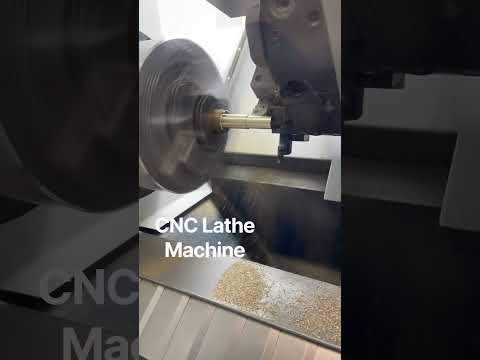
A CNC Lathe is a high-precision machine tool that rotates a workpiece on a spindle to perform various operations such as cutting, sanding, knurling, drilling, and turning. Unlike manual lathes, which require a skilled operator to move the cutting tools by hand, CNC lathes are automated and controlled by computer programs. This results in unparalleled accuracy and repeatability.

The CNC Working Principle Explained

To understand how these machines operate, we must look at the core CNC working principle. The process begins with a digital design, typically created using Computer-Aided Design (CAD) software. This design is then converted into a series of numerical instructions, known as G-code and M-code.

The fundamental CNC working principle involves the machine’s control unit reading these codes and sending precise electronic signals to the motors. These motors drive the machine’s axes (typically the X and Z axes for a lathe), moving the cutting tool along the rotating workpiece with extreme precision. Because the movement is controlled by software rather than human hands, the machine can produce complex geometries that would be impossible to achieve manually.

Key Components of a CNC Lathe

A standard CNC Lathe consists of several critical parts that work in harmony: * The Headstock: Contains the main spindle and the motor that powers the rotation. * The Chuck: The clamping device that holds the workpiece securely in place. * The Turret: A rotating tool holder that allows the machine to switch between different cutting tools automatically. * The Bed: The sturdy base that supports all components and ensures stability during high-speed operations.

Common Operations and Benefits

By leveraging the CNC working principle, manufacturers can perform various operations such as "turning" to create cylindrical parts, "facing" to create flat surfaces, and "threading" for screws and bolts. The primary benefits of using CNC lathes include reduced labor costs, increased production speed, and the ability to manufacture parts with tolerances as tight as a few microns.

In conclusion, the CNC Lathe is a powerhouse of the modern factory. By integrating advanced software with robust mechanical hardware, it remains the go-to solution for creating everything from automotive parts to aerospace components.

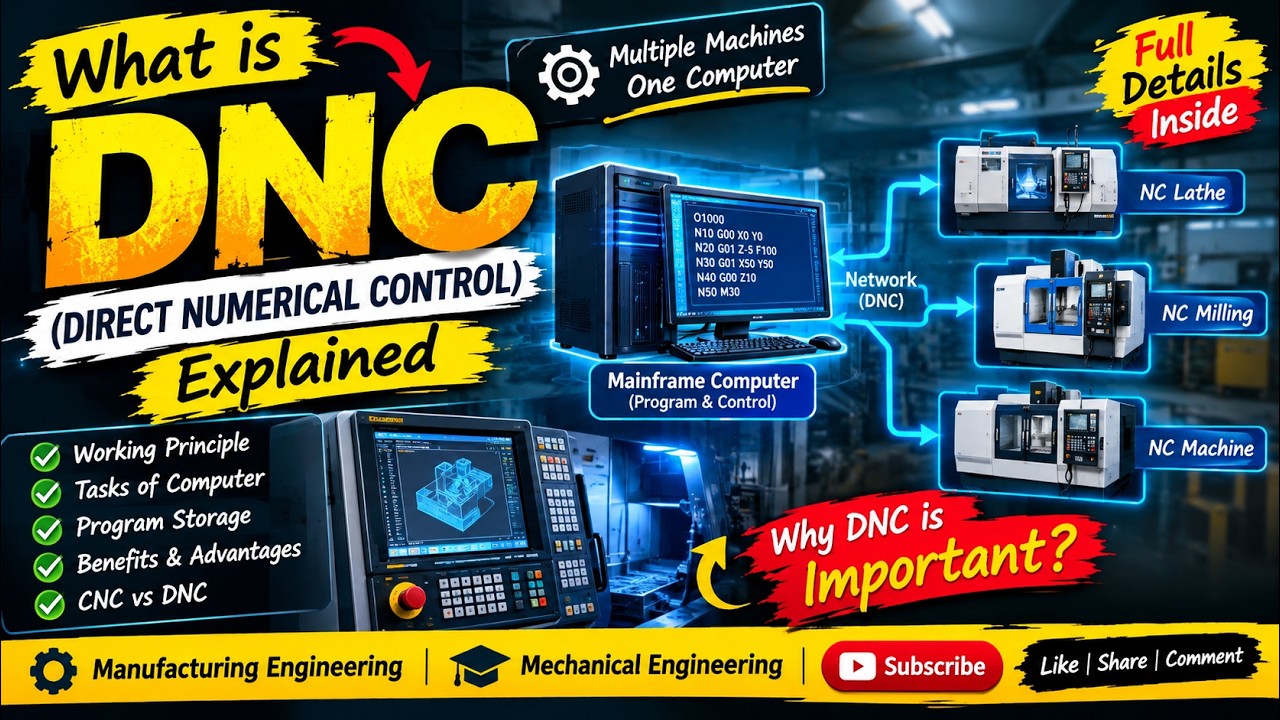
What is a DNC System? Direct Numerical Control Explained Simply

CNC Infomation System
What is a DNC System? Direct Numerical Control Explained Simply

What is a DNC System? Direct Numerical Control Explained Simply

This article provides an in-depth exploration of DNC system, covering foundational concepts, practical applications, and engineering insights.

In modern manufacturing, precision and automation are the ultimate drivers of productivity. While Computer Numerical Control (CNC) revolutionized machining by replacing manual operations, managing large fleets of equipment requires a much more unified approach. This is where a DNC system—standing for Direct Numerical Control (or Distributed Numerical Control)—comes into play.

Understanding how Direct Numerical Control works and how it differs from traditional CNC setups is essential for optimizing modern shop floor operations.

What is Direct Numerical Control (DNC)?

Direct Numerical Control refers to a centralized manufacturing network where a single computer controls multiple numerical control (NC) or CNC machines simultaneously.

In traditional standalone setups, operators must manually transfer part programs into each individual machine using physical media like USB drives or local network drops. A DNC setup eliminates this hassle. The central server directly stores, manages, and transmits G-code and M-code programs to all connected machine tools on demand.

CNC vs. DNC System: Understanding the Difference

To appreciate the capabilities of a modern DNC system, it helps to compare it directly with standalone CNC machines:

  • CNC (Computer Numerical Control): Focuses on individual machine intelligence. Each machine uses its own built-in computer to store and execute machining programs locally.
  • DNC (Direct Numerical Control): Focuses on network management. It connects a network of individual CNC machines to a central computer, acting as a master library and data hub for all production code.

Key Advantages of Implementing a DNC System

Integrating a modern DNC system into a manufacturing environment provides several critical operational benefits:

  1. Centralized Program Management: All CAD/CAM programs are stored in a secure, central repository. This prevents version confusion and ensures machinists always run the latest approved file.
  2. Bypassing Memory Constraints: Legacy CNC machines often suffer from limited internal memory. DNC enables "drip-feeding" (Dynamic Data Transfer), streaming massive 3D machining files directly to the tool in real time.
  3. Reduced Downtime: Operators can call up required programs directly at the machine controller without leaving their workstation, drastically cutting setup times.
  4. Enhanced Data Security and Tracking: Centralized logging helps track file revisions, monitor machine usage, and prevent unauthorized tampering with production files.

Conclusion

Direct Numerical Control bridges the gap between individual machine tools and smart factory automation. By streamlining data distribution and eliminating manual file transfer risks, DNC technology ensures maximum uptime, enhanced security, and superior manufacturing efficiency across the entire shop floor.


🎬 Related Video Reference

Demystifying CNC Theory: How Machine Cylinders Drive Precision

Have you ever wondered how CNC machines perform complex, highly repetitive movements with surgical precision? While digital code drives the intelligence behind these advanced systems, physical actuators like pneumatic cylinders do the heavy lifting under the hood. Understanding basic CNC theory starts with mastering how these vital mechanical components convert energy into precise, reliable linear motion.

What is a CNC Cylinder?

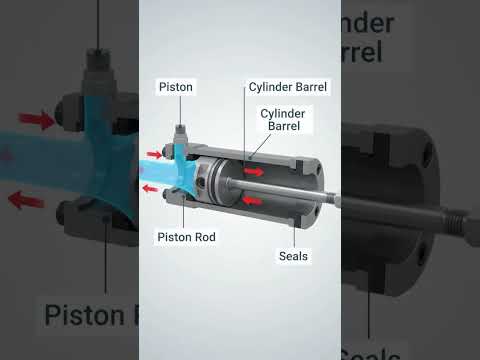
In modern automated machining, pneumatic and hydraulic cylinders act as the muscle of the machine tool. They are mechanical devices engineered to produce force in a straight line using pressurized fluid or, more commonly, compressed air.

Within a typical CNC setup, cylinders perform several critical tasks: * Workholding and Clamping: Securing raw materials firmly in place to prevent vibration during heavy cutting operations. * Automatic Tool Changers (ATC): Rapidly swapping out cutting tools between operational sequences. * Automated Guarding: Smoothly opening and closing machine safety doors.

How Pneumatic Cylinders Operate Under the Hood

To understand how pneumatic cylinders function within practical CNC theory, it helps to look at their core internal mechanics.

When compressed air enters one chamber of the sealed cylinder barrel, it builds pressure against an internal piston. This pneumatic force pushes the piston rod outward, extending the cylinder to perform work. To retract the rod, directional control valves redirect air to the opposite chamber while venting the original side.

These rapid extension and retraction cycles are controlled directly by the CNC system via solenoid valves. The seamless bridge between computerized code and mechanical air pressure is a foundational concept in fundamental CNC theory.

Key Advantages in Modern Manufacturing

Pneumatic cylinders remain the industry standard across machining centers for several key reasons: * High Speed: They react almost instantaneously to controller commands, significantly cutting down cycle times. * Low Maintenance: With simple designs and fewer moving parts than electric actuators, downtime is kept to a minimum. * Built-In Cushioning: Compressed air naturally absorbs mechanical shocks, protecting delicate tooling and workpieces from damage.

Final Thoughts

Grasping how individual components operate behind the scenes transforms complex manufacturing into actionable knowledge. Expanding your understanding of machine mechanics and CNC theory empowers operators, programmers, and engineers to troubleshoot issues faster, optimize machine performance, and achieve superior machining accuracy.

Avoid Costly Design Mistakes: The Ultimate CNC Principle Guide for Better Manufacturing

Designing parts for Computer Numerical Control (CNC) machining can be an exciting process, but it often comes with hidden pitfalls. Have you ever submitted a CAD model only to hear a machinist ask, "Would you actually machine this?" To prevent costly revisions and production delays, mastering the fundamental CNC principle of Design for Manufacturing (DFM) is essential.

DFM isn't just an industry buzzword; it is the practice of designing parts so they are efficient, economical, and realistic to produce on the shop floor. Let's explore common CNC design mistakes and how applying practical manufacturing rules can transform your CAD workflow.

Common CNC Design Mistakes to Avoid

Engineers and designers frequently fall into design traps that make parts unnecessarily difficult—or even impossible—to machine. Some of the most frequent mistakes include:

  • Sharp Internal Corners: Standard CNC cutting tools are cylindrical, meaning they leave a radius. Designing sharp $90^\circ$ inside vertical corners requires specialized, expensive processes.
  • Deep, Narrow Pockets: Long, slender end mills tend to deflect and vibrate, which leads to poor surface finishes or tool breakage. Keep pocket depth-to-width ratios reasonable.
  • Overly Tight Tolerances: Applying strict tolerances to non-critical features dramatically increases machining time, inspection effort, and overall cost.

Applying the Core CNC Principle to Your Workflow

To ensure your designs transition smoothly from digital models to physical parts, you should incorporate a simple CNC principle: always design with tool geometry and accessibility in mind.

First, consider how the cutting tool approaches the workpiece. CNC machines operate along specific axes, so the spindle must be able to reach every undercut or feature without colliding with the part. Second, standardize your radii and feature sizes. Using standard tool diameters reduces tool changes and optimizes cutting paths. By respecting this essential CNC principle, you reduce machining stress, prevent tool failure, and keep your production timeline on track.

Bridge the Gap Between Design and Production

Aligning your initial CAD models with real-world machining constraints bridges the gap between engineering vision and manufacturing reality. Avoiding basic DFM blunders keeps your project on budget, improves part quality, and ensures a seamless experience with your machinist. Before sending your next model to production, evaluate your features through a practical manufacturing lens to guarantee success every time.

Master Turning Tools: The Ultimate CNC Guide to Full Round Inserts

Precision machining requires the right tooling strategy, and selecting the correct insert geometry can make or break your manufacturing process. Whether you are working with tough alloys or hardened steel, understanding how to utilize full round inserts is essential for achieving superior surface finishes and extending tool life. In this practical CNC guide, we break down everything you need to know about full round carbide and ceramic turning tools.

Why Choose Full Round CNC Inserts?

Full round inserts—often referred to as button inserts or round turning tools—offer exceptional edge strength compared to traditional sharp-cornered inserts. Because the cutting forces are distributed evenly along the circular radius, these tools can handle heavy chip loads and demanding profiling cuts with minimal risk of chipping.

They excel in complex contouring, radiused grooves, and heavy roughing operations where tool durability and continuous cutting strength are top priorities.

Carbide vs. Ceramic Turning Tools: Key Differences

Selecting the optimal material for your full round inserts usually comes down to two primary substrate options:

  • Carbide Inserts: Known for their high toughness and versatility, carbide full round inserts are ideal for general turning, stainless steel, and nickel-based superalloys. They perform exceptionally well under intermittent cutting conditions and low-to-medium cutting speeds.
  • Ceramic Inserts: Built for extreme heat resistance, ceramic turning tools thrive in high-speed machining of hardened steels and heat-resistant superalloys (HRSA). They allow machine shops to dramatically increase metal removal rates (MRR) through high-velocity cutting.

Practical Tips for Maximizing Tool Life

To get the most out of your machining setup, following an optimized CNC guide checklist is critical:

  1. Account for Chip Thinning: Round inserts experience chip thinning at smaller depths of cut. You may need to increase your feed rate to maintain the correct chip thickness and avoid rubbing.
  2. Control Heat & Thermal Shock: Ensure consistent coolant application when using carbide inserts. For ceramic inserts, consult manufacturer guidelines, as high-speed ceramic turning often requires dry machining or specific high-pressure coolant to prevent thermal shock.
  3. Maintain Setup Rigidity: Round inserts generate high radial cutting forces. Always ensure robust toolholding and a rigid workpiece setup to minimize chatter and maintain tight dimensional tolerances.

Final Thoughts

Mastering the use of full round carbide and ceramic inserts empowers machinists to increase productivity and maintain flawless surface finishes. By applying this actionable CNC guide to your daily operations, you can choose the right inserts, reduce cycle times, and keep your shop running efficiently.

Master the Modern Factory: Why Quality CNC Education is Your Gateway to High-Tech Success

The modern manufacturing landscape is undergoing a massive transformation. From automated assembly lines to high-precision component production, today's smart factories—especially in industrial powerhouses like South Korea—rely heavily on advanced technology. At the heart of this industrial revolution is Computer Numerical Control (CNC) machining. For individuals looking to build a stable and lucrative career in modern industry, getting a solid CNC education is no longer just an option; it is the ultimate game-changer.

What Makes CNC Skills So In-Demand?

CNC operators and programmers are the backbone of modern production lines. These skilled professionals write code, set up intricate machinery, and monitor automated systems to manufacture everything from automotive parts to micro-electronics. As global manufacturing becomes more complex and automated, companies worldwide actively search for technicians who understand both the digital software and mechanical hardware sides of the business.

Quality CNC education bridges the gap between theoretical engineering principles and practical, hands-on factory floor execution. Without formal training, navigating complex CAD/CAM software and precision calibration tools can be an overwhelming challenge.

Key Pillars of a Modern CNC Curriculum

A comprehensive training program covers far more than basic machine operation. Students gain a deep, practical understanding of several critical areas: - G-Code and M-Code Programming: Learning the core digital languages that command automated machine tools. - CAD/CAM Integration: Designing 3D models and automatically converting them into precise machining toolpaths. - Material Science & Tooling: Understanding how different metals and composites react under high-speed cutting conditions. - Quality Control: Utilizing precision measurement equipment to guarantee millimeter-perfect outputs.

By investing in formal CNC education, aspiring technicians learn how to troubleshoot errors on the fly, minimize material waste, and optimize production efficiency—qualities that top employers actively seek.

Unlocking Global Career Opportunities

Precision manufacturing is a truly global language. Whether you aim to work in advanced industrial hubs abroad, such as South Korea's booming tech sector, or in local high-tech machine shops, CNC expertise translates seamlessly across borders.

If you are ready to future-proof your career, mastering CNC machinery is one of the smartest moves you can make. Take the first step today by seeking out technical training programs, hands-on workshops, and industry certifications to master the art and science of modern manufacturing.

Master FANUC G03 Arc Turning: Programming an R5 Convex Corner on Your CNC System

CNC Infomation System
Master FANUC G03 Arc Turning: Programming an R5 Convex Corner on Your CNC System

Master FANUC G03 Arc Turning: Programming an R5 Convex Corner on Your CNC System

This article provides an in-depth exploration of CNC system, covering foundational concepts, practical applications, and engineering insights.

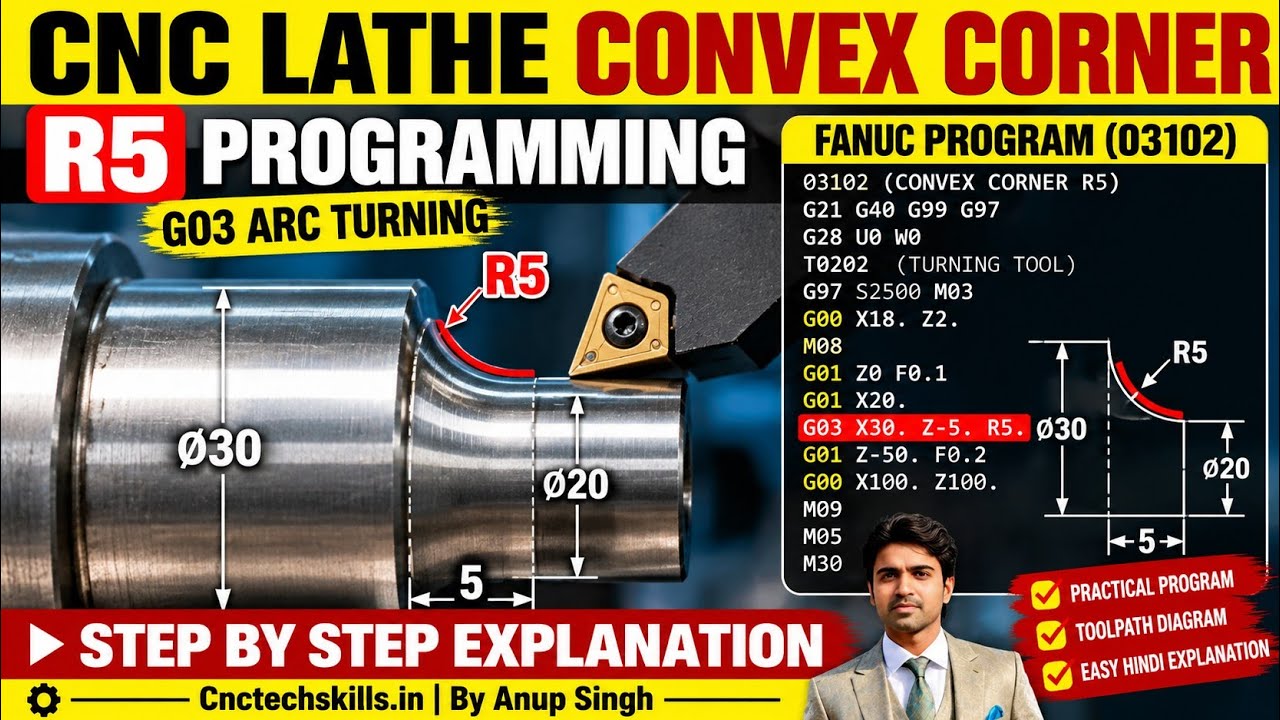
Modern manufacturing relies heavily on precise metal cutting, and mastering arc interpolation on your CNC system is a fundamental skill for any machinist. Creating smooth, rounded edges—such as an R5 (5mm radius) convex corner—is a standard operation in lathe programming. By using the FANUC G03 command, you can easily turn counter-clockwise arcs with ultimate accuracy.

What is G03 Arc Interpolation?

In G-code programming, G02 and G03 are used for circular motion. While G02 commands a clockwise arc, G03 generates a counter-clockwise arc. When machining an outer diameter (OD) convex corner on a standard lathe setup, moving from the facing surface into the main diameter requires a counter-clockwise motion.

When working with a FANUC CNC system, standard G-code commands allow you to create smooth, accurate curves with minimal programming effort.

Step-by-Step R5 Convex Corner Programming

To program a 5mm convex radius on an outer corner, you need to calculate the precise starting and ending coordinates based on your workpiece dimensions.

Here is the general sequence for programming an R5 arc:
1. Position the Tool (Start Point): Feed the cutting tool to the coordinate point where the radius begins on the face of the part.
2. Execute the G03 Command: Call G03 and specify the end point coordinates in both X (diameter) and Z (length) axes, followed by the radius value R5.0.
3. Continue Linear Cutting: Transition back to linear movement (G01) to continue turning along the shaft length.

Example Code Structure:

G01 X20.0 Z0.0 F0.15 ; Move to start of radius
G03 X30.0 Z-5.0 R5.0 ; Turn R5 convex arc (counter-clockwise)
G01 Z-25.0          ; Continue straight turning

Note: Because lathe X-coordinates represent diameter, an R5 arc increases the X coordinate by 10mm overall (5mm on each side).

Best Practices for FANUC Arc Turning

To achieve an optimal surface finish and strict dimensional tolerances, keep these practical tips in mind:
* Tool Nose Radius Compensation: Remember to use tool radius compensation (G42 for standard right-hand OD turning) to offset tool geometry errors on curved profiles.
* Feed Rate Control: Use an appropriate feed rate during arc interpolation to prevent tool chatter and maintain smooth contours.
* Dry Run & Simulation: Always verify your G-code program using the graphical simulation feature on your CNC system controller before executing the cut on live material.

By mastering G03 arc turning for convex profiles, you can enhance part aesthetics, reduce stress concentration points on turned components, and maximize your machine's productivity.


🎬 Related Video Reference

The Evolution of Machining: How the CNC Invention Revolutionized Modern Manufacturing

Mechanical engineering is the bedrock of modern civilization, driving innovation across aerospace, automotive, medical, and consumer electronics industries. Before modern automation, shaping metal and materials required meticulous manual labor, leaving significant room for human error. Everything changed with the CNC invention, a breakthrough that bridged the gap between digital computing and physical manufacturing. Today, Computer Numerical Control (CNC) technology empowers engineers to craft extraordinarily complex components with microscopic precision.

From Manual Craftsmanship to Digital Automation

Traditional machining relied heavily on skilled operators manually guiding lathes, mills, and routers. While artisan craftsmanship produced incredible results, it lacked the scalability required for rapid mass production. Modern CNC machining replaced manual handwheels with computer software, directing multi-axis cutting tools along exact mathematical pathways.

Through this seamless integration of mechanical engineering and modern software, industrial facilities can operate continuously, producing identical parts at unbelievable speeds. Whether executing complex turning, precision milling, or high-speed laser cutting, automated accuracy has become the standard benchmark of industrial technology.

The Lasting Impact of Automated Engineering

It is difficult to overestimate how much the CNC invention transformed global production. By removing physical human limitations and enabling intricate, perfectly repeatable geometry, it opened doors to innovations that were previously impossible to manufacture. High-performance jet engine turbines, custom medical implants, and micro-precision automotive components all owe their existence to this pivotal technological milestone.

Furthermore, the groundbreaking nature of the CNC invention established the foundation for today's advanced multi-axis equipment, smart sensor monitoring, and fully automated robotic manufacturing cells.

Looking Ahead: The Future of Industrial Technology

As industrial technology continues to evolve, CNC machining remains at the absolute forefront of innovation. The integration of Artificial Intelligence (AI), predictive maintenance, and hybrid additive manufacturing guarantees that mechanical engineering will continue pushing boundaries.

Understanding these core manufacturing processes allows engineers, designers, and creators to build a smarter, more efficient future. As machines grow faster, smarter, and more autonomous, the legacy of digital machining continues to shape the physical world around us.

Mastering PCD Calculation: The Secret to Precision in CNC Automation

In the high-stakes world of modern manufacturing, precision isn’t just a goal—it’s a requirement. As shops around the globe transition toward advanced CNC automation, the ability to perform quick, accurate manual calculations remains a foundational skill for every elite operator. One of the most essential calculations you will encounter is the Pitch Circle Diameter (PCD).

What is PCD and Why is it Vital?

The Pitch Circle Diameter (PCD) is the diameter of an imaginary circle that passes through the exact centers of a circular pattern of holes, such as those found on a wheel hub, flange, or gear. Whether you are programming a Vertical Machining Center (VMC) or setting up a lathe, getting the PCD right is the difference between a perfect assembly and a wasted piece of stock.

While modern CNC automation software can often handle these coordinates, understanding the math behind the machine allows operators to troubleshoot errors, verify blueprints, and make on-the-fly adjustments without relying solely on a computer.

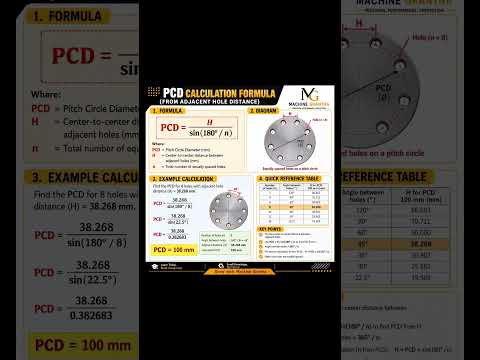
The PCD Calculation Formula

To calculate the PCD when you know the distance between two adjacent holes (the chord length) and the total number of holes, use the following trigonometric formula:

PCD = L / sin(180 / n)

  • L: The linear distance (center-to-center) between two adjacent holes.
  • n: The total number of holes in the circle.
  • sin: The sine function from your scientific calculator.

For example, if you are measuring a 6-hole pattern and the distance between two holes is 50mm, your calculation would be:
PCD = 50 / sin(180 / 6) = 50 / sin(30) = 50 / 0.5 = 100mm.

Bridging the Gap Between Math and Automation

Integrating these manual tips into your daily workflow enhances the reliability of your CNC automation processes. When you feed precise, verified data into your CNC controllers, you reduce the risk of tool breakage and part rejection.

Precision at the programming stage ensures that the automated cycle runs smoothly from start to finish. By mastering the PCD formula, you position yourself as a more versatile technician capable of bridging the gap between traditional craftsmanship and the future of automated manufacturing. Keep these formulas handy, and you'll find that your efficiency on the shop floor will reach new heights.

Precision Engineering: Crafting a Sleek Metal Allen Key Organizer with CNC Machining

For any craftsman or DIY enthusiast, there is a unique satisfaction in seeing a raw block of industrial metal transform into a functional piece of art. High-quality tool organization isn't just about tidiness; it is about efficiency and the appreciation of fine engineering. One of the most impressive examples of this transformation is the creation of a custom metal Allen key holder.

From Raw Material to Workshop Essential

The journey of a metal Allen key organizer begins with a solid billet of aluminum or steel. Unlike plastic molded alternatives, a metal organizer offers a weight and durability that stands the test of time in a rugged workshop environment. The process highlights the incredible capabilities of modern manufacturing, where precision is the highest priority.

The secret to achieving such perfect dimensions and a professional finish lies in the power of CNC machining. By using computer-controlled cutting tools, manufacturers can remove material with extreme accuracy, ensuring that every slot is perfectly sized for its corresponding hex key.

Why CNC Machining is the Gold Standard

When it comes to creating high-end workshop accessories, CNC machining is the preferred method for several reasons. First, it allows for incredible consistency; every holder produced is identical to the last. Second, it enables complex designs—such as recessed numbering or intricate mounting holes—that would be nearly impossible to achieve by hand.

During the milling process, high-speed spindles carve out the slots, while a cooling fluid ensures the metal doesn't warp under the heat. The result is a clean, sharp, and industrial aesthetic that looks just as good as it performs.

The Finishing Touch for Your Workspace

Beyond the technical manufacturing process, a metal Allen key holder represents a commitment to quality. Once the CNC machining phase is complete, the part often undergoes a finishing process, such as anodizing or bead blasting, to give it a premium texture and protect it from corrosion.

Investing in high-quality, machined organizers doesn't just clear up your workbench—it upgrades your entire workflow. Watching a raw metal block become a precision-engineered tool holder is a testament to how modern technology continues to refine the tools we use every day.

Powering Smart Manufacturing: The Story and Vision Behind Machining Cloud

CNC Infomation System
Powering Smart Manufacturing: The Story and Vision Behind Machining Cloud

Powering Smart Manufacturing: The Story and Vision Behind Machining Cloud

This article provides an in-depth exploration of Machining cloud, covering foundational concepts, practical applications, and engineering insights.

In the fast-evolving world of modern manufacturing, efficiency and digital precision are essential to staying competitive. For decades, machinists and CNC programmers relied on printed catalogs and manual data entry to select cutting tools and determine operating parameters. Today, the digital revolution is transforming shop floors worldwide, and Machining cloud is leading the charge by directly connecting cutting tool manufacturers with digital manufacturing software.

Our Origins: Bridging the Gap in Manufacturing

MachiningCloud was born out of a clear necessity: to eliminate the friction between tool manufacturers and the software platforms used on the shop floor. Sourcing accurate 3D tool models, precise geometry, and cutting recommendations used to be a time-consuming and error-prone manual task.

Driven by a passion for engineering excellence, our team set out to build a centralized, cloud-based ecosystem. By partnering with the world's leading cutting tool vendors, we made it possible to access standardized digital tool data instantly, converting raw manufacturer information into actionable data ready for immediate use in CAM programming and simulation software.

Simplifying Workflows for Modern Machinists

At our core, we believe technology should streamline complex manufacturing processes. Through the robust ecosystem provided by Machining cloud, manufacturing engineers and shop managers can drastically reduce setup times, eliminate programming mistakes, and optimize tool selection.

Whether operating a specialized job shop or managing a large-scale enterprise, our solution simplifies the entire workflow from tool selection to final machining. By providing instant access to rich 3D models and precise cutting parameters, we empower teams to maximize machine uptime and produce high-quality precision parts faster.

Shaping the Future of the Industry

As Industry 4.0 and smart factory initiatives continue to redefine the global industrial landscape, our vision remains focused on the horizon. We foresee a fully connected ecosystem where intelligent digital data powers every step of the machining workflow—from initial CAD design to final part inspection.

As digital transformation continues to accelerate, Machining cloud remains dedicated to serving engineers and driving the future of manufacturing through continuous technological innovation and seamless industry integration.


🎬 Related Video Reference

Mastering FANUC Tool Life Management on Your CNC Monitor

CNC Infomation System
Mastering FANUC Tool Life Management on Your CNC Monitor

Mastering FANUC Tool Life Management on Your CNC Monitor

This article provides an in-depth exploration of CNC monitor, covering foundational concepts, practical applications, and engineering insights.

In modern precision manufacturing, maximizing efficiency while minimizing machine downtime is critical for any Vertical Machining Center (VMC) operation. One of the most powerful built-in functions on FANUC controllers is Tool Life Management. By learning how to configure and track tool wear directly on your CNC monitor, operators can prevent unexpected tool breakage, optimize tooling budgets, and maintain high machining quality.

What is FANUC Tool Life Management?

FANUC Tool Life Management is a feature that automatically monitors the usage of individual cutting tools during production. Instead of relying on manual operator tracking or guessing when an end mill or drill is dull, the control system tracks each tool based on operation time, cycle count, or distance cut.

When a cutting tool reaches its pre-configured lifespan limit, the FANUC control can automatically signal the machine to swap in a spare tool from the same group or safely pause the program before tool failure occurs.

How to Manage Tool Life via the Interface

Setting up tool lifecycle tracking on a FANUC VMC is straightforward. Operators access the dedicated life management screens displayed on the CNC monitor to set up parameters for each cutting tool.

Here is how to get the most out of this system:
1. Define Tool Groups: Group identical tools together (e.g., primary rougher and backup rougher) so the machine knows which tool to call when the primary tool expires.
2. Set Lifespan Thresholds: Enter realistic life limits based on machining time or completed part counts.
3. Monitor Status in Real-Time: By checking the CNC monitor during operation, machinists can quickly assess remaining tool life percentage without stopping the active program.

Key Benefits for Machinists and Shop Owners

  • Reduced Scrap Rates: Timely tool changes prevent bad surface finishes and dimensional errors caused by worn cutting edges.
  • Enhanced Unattended Machining: Automated tool switching allows for reliable light-out or unattended VMC operation.
  • Lower Tooling Costs: Eliminates premature tool discards while ensuring tools are not run past their breaking point.

Final Thoughts

Mastering Tool Life Management on FANUC controls transforms standard VMC workflows into highly reliable, automated production lines. Take time to audit your current setup, configure your tool groups properly, and utilize your control interface to keep your shop floor running seamlessly.


🎬 Related Video Reference

Mastering 3D Modeling: How to Elevate Your CNC Mill Projects with ArtCAM

In the world of precision engineering and digital craftsmanship, the CNC mill stands as a cornerstone of modern manufacturing. Whether you are a hobbyist working out of a garage or a professional in the automobile industry, the ability to transform a digital concept into a physical masterpiece is a superpower. However, the hardware is only half the battle; the true magic happens within the software used to design those intricate paths.

Why ArtCAM is Essential for Your CNC Mill

ArtCAM has established itself as one of the most intuitive and powerful software solutions for artistic CAD/CAM. It allows users to create high-quality 3D models from 2D sketches, making it an indispensable tool for anyone looking to push the boundaries of their CNC mill. From decorative wood carvings to complex industrial components, ArtCAM provides the flexibility needed to handle diverse materials and geometries.

Mastering 3D Modeling with Tutorials

For many beginners, the transition from 2D engraving to 3D relief carving can feel daunting. This is where comprehensive tutorials become invaluable. Whether you are using the classic ArtCAM 2008 or the more feature-rich ArtCAM 2018, understanding the workflow is key.

Most successful projects follow a specific sequence: 1. Vector Design: Creating the initial 2D outlines. 2. Relief Creation: Using the "Shape Editor" to add depth and dimension. 3. Toolpath Generation: Selecting the right bits and feed rates for your specific machine. 4. Machining: Exporting the G-code to your controller to begin the carving process.

By following step-by-step 3D modeling tutorials, you can learn how to manipulate meshes and textures to create realistic reliefs that truly stand out.

Applications Across Industries

The versatility of a CNC mill paired with ArtCAM extends far beyond simple signage. In the automotive sector, this combination is used for prototyping parts and creating custom interior molds. In the world of art and furniture, it allows for the mass production of hand-carved aesthetics with pinpoint accuracy.

As you continue your journey in CNC machining, remember that the software is your bridge between imagination and reality. By mastering ArtCAM’s 3D toolsets, you unlock the full potential of your machinery, ensuring every cut is precise and every design is professional.

Mastering Thin-Wall Aluminum: How to Prevent Deformation on Your CNC Router

Machining thin-wall aluminum parts is one of the most challenging tasks in precision engineering. Because of the material's lightweight and delicate nature, these components are notoriously prone to warping or bending under the pressure of cutting heat and clamping force. Whether you are working in aerospace, electronics, or custom prototyping, understanding how to manage these stresses is the key to achieving professional results.

The Challenge: Heat and Mechanical Stress

Deformation typically stems from two primary sources: thermal expansion and mechanical stress. As the cutting tool moves through the aluminum, friction generates significant heat. Since thin walls have very little mass to dissipate this energy, the material expands and twists quickly.

Furthermore, traditional clamping methods—like standard heavy-duty vises—often apply localized pressure that can crush or distort delicate structures before the machining even begins. If you are utilizing a CNC router for these projects, your approach to workholding must be much more strategic than standard block machining.

Innovative Fixture Design for Stability

The secret to successful thin-wall machining lies in specialized fixture design. Instead of using point-pressure clamps, expert machinists utilize custom-made jigs that support the entire surface area of the workpiece. This approach distributes clamping pressure evenly, preventing the "spring-back" effect that occurs when a part is released from a vise.

For those operating a CNC router, vacuum tables or "soft-jaw" fixtures are excellent alternatives. These methods allow for maximum surface contact, ensuring that the part remains stationary and vibration-free without the need for excessive downward force that might lead to permanent deformation.

Optimizing Cutting Strategies

Beyond workholding, your toolpath strategy plays a vital role in maintaining part integrity. High-speed machining (HSM) with light depths of cut and high feed rates can significantly reduce the physical force applied to the thin walls. Additionally, implementing a robust cooling strategy—such as mist or flood coolant—helps manage thermal energy, keeping the aluminum at a stable temperature throughout the cycle.

By refining your fixture design and focusing on stress-free workholding, you can transform a difficult project into a repeatable, high-quality production run. With the right techniques, your CNC router can produce incredibly intricate, thin-walled aluminum parts that meet the tightest tolerances without a hint of deformation.

Revolutionize Your Workshop: How the CVM App is Redefining CNC Software

CNC Infomation System
Revolutionize Your Workshop: How the CVM App is Redefining CNC Software

Revolutionize Your Workshop: How the CVM App is Redefining CNC Software

This article provides an in-depth exploration of CNC software, covering foundational concepts, practical applications, and engineering insights.

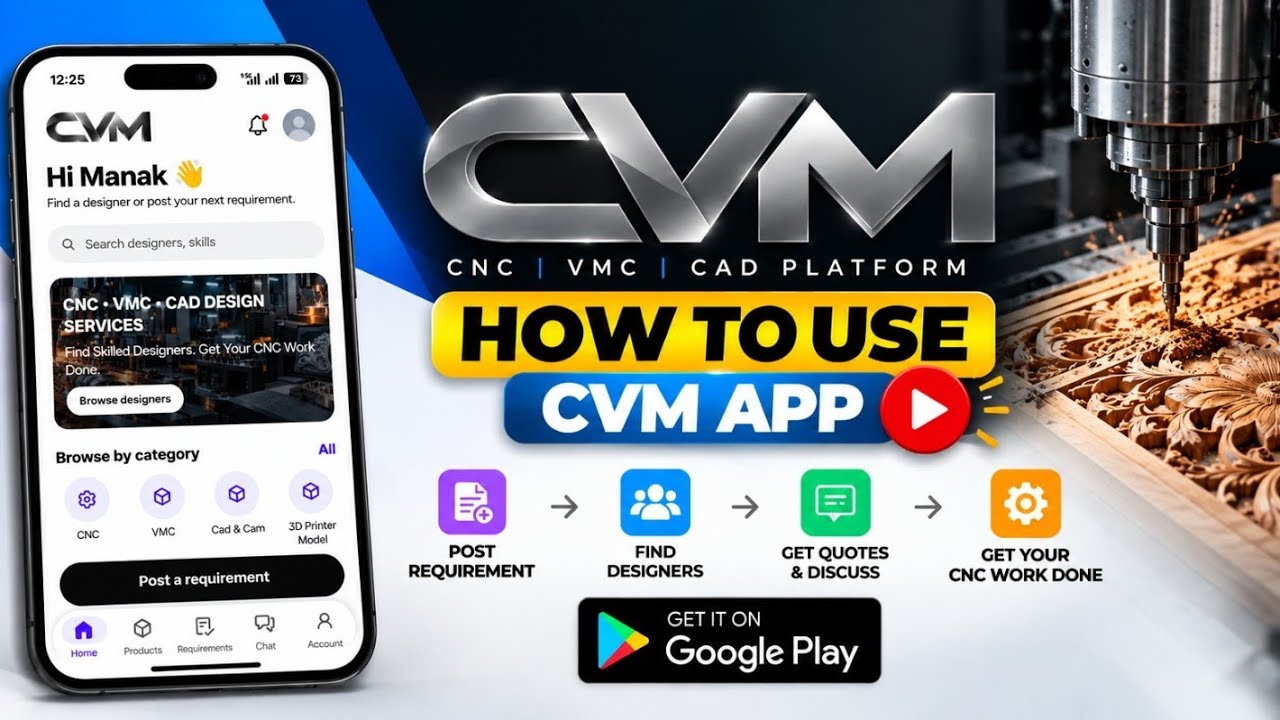
In the fast-paced world of modern manufacturing, efficiency and precision are the pillars of success. Whether you are a workshop owner, a professional engineer, or a freelance designer, finding the right tools to streamline your operations is essential. While there are many tools available, the CVM App is emerging as a game-changing platform designed to simplify CNC, VMC, and CAD workflows like never before.

What is the CVM App?

The CVM App serves as a dedicated professional bridge between industrial service providers and expert designers. It isn't just another utility; it is a comprehensive ecosystem where technical precision meets user-friendly convenience. If you have been searching for a reliable way to manage your technical designs and production requirements, this CNC software solution provides a professional space to connect with high-quality talent and specialized services.

Key Features for CNC and CAD Professionals

One of the standout aspects of the CVM App is its versatility. It caters specifically to the unique needs of those working with VMC (Vertical Machining Center) and CAD (Computer-Aided Design). Through the app, users can easily outsource or collaborate on complex design tasks.

By using the CVM App, you gain access to:
* Professional Designers: Connect with experts who understand industrial specifications.
* VMC & CNC Integration: Get support for various machining processes.
* Simplified CAD Work: Turn your ideas into production-ready blueprints with ease.

Why the CVM App is a Must-Have

Traditional methods of sourcing designers or managing machining projects often involve long delays and communication gaps. CVM eliminates these hurdles by centralizing your industrial needs. By integrating the best organizational features found in modern CNC software, the app ensures that your project—whether it is a complex CAD layout or a standard CNC milling job—is handled with professional care.

The goal of the CVM App is simple: to make your CNC work easier. By providing a streamlined interface and a marketplace of skilled professionals, it allows you to focus on growing your business rather than getting bogged down in administrative or design bottlenecks.

Conclusion

The CVM App is more than just a tool; it’s a productivity powerhouse for the manufacturing sector. By bringing CNC, VMC, and CAD work into a single, accessible platform, it sets a new standard for how industrial professionals interact. If you are looking for an effective CNC software companion to boost your workshop's output, the CVM App is the professional solution you’ve been waiting for.


🎬 Related Video Reference

Transforming Shop Drawings into Actionable CNC Data for Seamless Millwork Production

CNC Infomation System
Transforming Shop Drawings into Actionable CNC Data for Seamless Millwork Production

Transforming Shop Drawings into Actionable CNC Data for Seamless Millwork Production

This article provides an in-depth exploration of CNC data, covering foundational concepts, practical applications, and engineering insights.

Approved shop drawings are fantastic for communicating design intent to architects, project managers, and clients. However, automated manufacturing equipment speaks a completely different language. While human eyes easily interpret dimensions, aesthetics, and spatial relationships, a computerized router requires precise, structured instructions to operate efficiently. Bridging the gap between human design intent and machine execution requires accurate, structured CNC data.

Why Approved Drawings Aren't Enough for Machinery

A common bottleneck in custom millwork production is assuming a finalized shop drawing is immediately ready for the shop floor. In reality, a drawing provides visual context, but it lacks the underlying machine code required by automated equipment.

CNC machinery demands explicit instructions regarding exact coordinates, tool selections, depth passes, and feed speeds. Without proper data translation, even the best shop drawing can lead to costly material waste, broken tooling, and severe production delays.

Converting Millwork Designs into Actionable CNC Data

To transition smoothly from approved shop drawings to finished components, design files must be processed through robust CAD/CAM integration workflows. During this stage, visual geometry is translated into precise machine commands.

When converting 3D CAD models into high-precision CNC data, technicians specify exact tooling strategies, part orientation, nesting routines, and grain directions. This structured output ensures that every dado, shelf pin hole, and edge-banded component is executed with absolute accuracy.

Key Benefits of a Streamlined Data Workflow

Standardizing your data extraction process yields immediate benefits across your entire production line:

  • Reduced Human Error: Eliminates manual re-entry of part dimensions at the machine controller.
  • Maximized Material Yield: Automated nesting algorithms optimize sheet layouts to minimize waste.
  • Predictable Lead Times: Standardized programming speeds up the turnaround time from drafting to physical fabrication.

Final Thoughts

Modern architectural millwork demands speed, consistency, and precision. By treating machine instructions as an essential step in your drafting workflow, you empower your equipment to perform at its peak. Investing in automated CAD-to-CAM processes ensures your shop produces reliable CNC data every single time, seamlessly turning complex designs into flawless physical products.


🎬 Related Video Reference

Boost Manufacturing Efficiency: Mastering Kaizen and the CNC Concept

In the modern manufacturing landscape, efficiency isn't just a goal—it is a necessity. Whether you are an aspiring machinist, a process engineer, or preparing for a technical job interview, understanding how continuous improvement applies to a modern CNC concept can significantly set you apart in the field.

One of the most powerful methodologies driving global industrial success is Kaizen—a Japanese term that translates to "change for the better" or continuous incremental improvement. But how does this philosophy translate into daily precision machining? Let's break it down using a practical CNC example.

What is Kaizen?

At its core, Kaizen focuses on making small, continuous improvements every day rather than relying on massive, expensive system overhauls. The underlying philosophy rests on a simple premise: small improvements lead to massive results over time.

In a production environment, Kaizen encourages workers at all levels to identify subtle bottlenecks, eliminate waste (known as Muda), and optimize everyday workflows to boost overall equipment effectiveness.

Applying Kaizen to a CNC Example

To understand how Kaizen works on the shop floor, consider a standard computer numerical control operation. When working with an advanced CNC concept, even a minor reduction of a few seconds in cycle time can save hundreds of productive hours across thousands of manufactured components.

Here are a few practical examples of Kaizen applied to CNC operations: * Tooling Strategy: Fine-tuning feed rates or tool path passes slightly to extend tool life and reduce machine downtime. * Setup Time Reduction: Organizing jigs, fixtures, and raw materials nearby so operators do not waste time searching for equipment between job setups. * Code Optimization: Re-sequencing non-cutting movements in the G-code to streamline air-cutting time and speed up total cycle times.

These minor adjustments require minimal capital investment, yet they yield dramatic improvements in output quality and throughput.

How to Explain Kaizen in a Job Interview

If an interviewer asks you to define Kaizen or explain how you handle process optimization, use a practical shop-floor scenario. Explain that you don't just run machine programs; you actively evaluate the operational workflow surrounding any CNC concept to find marginal gains. Mentioning how you identified a minor layout or coding inefficiency and fixed it proves that you possess a valuable, proactive mindset.

Conclusion

Mastering continuous improvement means evaluating every machine cycle with a critical, growth-oriented perspective. By blending the core principles of Kaizen with a solid grasp of modern manufacturing practices, you can drive sustainable, long-term operational success in any workshop.

How to Properly Load an Oreo 3D Rotary Magazine: Step-by-Step Guide & Essential CNC Info

CNC Infomation System
How to Properly Load an Oreo 3D Rotary Magazine: Step-by-Step Guide & Essential CNC Info

How to Properly Load an Oreo 3D Rotary Magazine: Step-by-Step Guide & Essential CNC Info

This article provides an in-depth exploration of CNC info, covering foundational concepts, practical applications, and engineering insights.

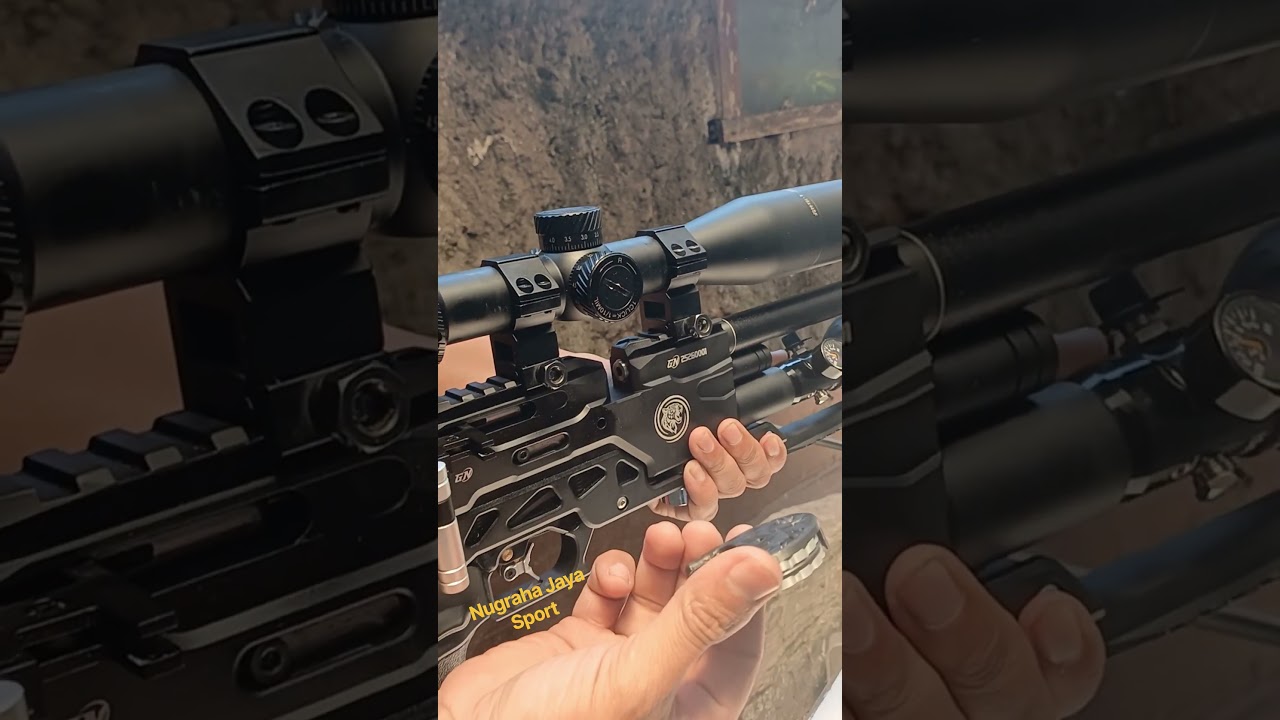
Airgun enthusiasts know that smooth feeding and reliable magazine performance are critical for accuracy and target consistency. Among custom accessories, the popular "Oreo" CNC 3D rotary magazine stands out for its compact aesthetic, precise tolerances, and smooth rotation. However, loading pellets correctly into these specialized 3D-machined magazines requires a specific technique to avoid jamming or damaging internal springs.

Whether you are setting up your gear for practice or searching for reliable CNC info on custom airgun parts, this practical tutorial will guide you through the process step by step.

Step-by-Step: How to Load the Oreo 3D Magazine

  1. Wind the Internal Spring: Hold the magazine firmly and rotate the transparent cover or top wheel counterclockwise until it reaches its maximum tension point. Hold it securely in place so it does not snap back.
  2. Lock the Mechanism with the First Pellet: While maintaining tension on the cover, flip the magazine over and insert the first pellet skirt-first into the rear opening (or head-first into the designated keyhole, depending on your model variant). This initial pellet holds the spring in place.
  3. Fill the Remaining Chambers: Turn the magazine back to the front face. Slowly rotate the cover clockwise, placing one pellet head-first into each open chamber until all slots are filled.
  4. Inspect Pellet Alignment: Check that all pellets sit completely flush inside their respective chambers. Skirts that stick out can catch on the breech and cause cycling issues.

Why Quality CNC and 3D Accessories Make a Difference

Understanding basic manufacturing techniques and accurate CNC info highlights why modern shooters prefer custom-machined components. High-precision CNC milling combined with modern 3D printing ensures that internal rotors turn with minimal friction. This fine level of engineering protects pellet skirts from deformation during rotation, leading to cleaner shots and improved grouping downrange.

Final Tips for Long-Lasting Performance

To keep your Oreo 3D magazine operating smoothly, always clean out lead dust periodically and avoid over-tightening the spring mechanism. Storing your magazine empty when not in use will also preserve spring tension over time. With correct loading habits and proper care, your Oreo CNC 3D magazine will deliver flawless performance every time you take aim.


🎬 Related Video Reference

CNC CODE

5 axis cnc mill,5 axis cnc router,cad cnc,cc machine,cnc cutter machine,cnc cutting system,cnc definition,cnc equipment manufacturers,cnc fabrication,cnc lathe retrofit,cnc machine accessories,cnc machine automation,cnc machine business,cnc machine companies,cnc machine description,cnc machine maker,cnc machine news,cnc machine repair,cnc machine services,cnc machine shop,cnc machiner,cnc maching,cnc machining companies,cnc machining equipment,cnc machining parts

Labels

"7-Axis Robot" "Digital Fabrication" "Planar Polygons" "Rhino" "Rhinoscript" #DIY #Woodworking 2007. 2013 2014 2016 2d printing 2d to 3d 3 axes 3 axis 3 Axis Milling Machine 3-axis CNC 3-axis CNC Kit 3+2 Axis 30c3 3D 3d capture 3d carving 3D Carving 3d cnc router 3d company 3D Contouring 3d copy 3D design 3D Design 3d display 3d drawing pen 3D Fabrication 3D Machining 3D Milling 3d model 3D Model Milling 3D modeling 3D Modeling 3D Modeling Tips 3d piracy 3d print farms 3D print optimization 3d print platform 3d print quality 3d printed 3d printed airoplane 3d printed airplane 3d printed buildings 3d printed car dashboard 3d printed car part 3d printed car parts 3d printed clothing 3d printed cyborg 3D Printed Figure Sculpture 3d printed food 3D Printed for in Ceramic 3d printed gun 3d printed machines 3d printed music instrument 3d printed music record 3d printed organs 3d printed parts 3D printed relief 3d printed rifle 3d printed robot 3d printed sensors 3d printed skateboard 3d printed toys 3d printed uav 3d printed vehicles 3d printed weapons 3d printer 3d printer accessory 3d printer crime 3d printer desk 3d printer eclosure 3d printer review 3D printer settings 3d printer stand 3d printer table 3D printer tips 3d printers comparison 3D printing 3D Printing 3d printing filament 3d printing in cement 3d printing materials 3d printing myths 3d printing on battery power 3D Printing Optimization 3d printing photographs 3D printing piracy 3D printing portraits 3d printing primer 3d printing systems 3d printing with carbon fiber 3d printing wood 3D printing ZBrush sculpts 3d printshow 3d puzzle 3d scanner 3d sensors 3d shaping cnc router 3d startup 3D Surface Finish 3D Surface Machining 3d systems 3d ui 3dea 3dMonstr 3doodler 3dPrinting 3dprintmi 3dprn 3dr 3dsimo 3ntr 4 Jaw Chuck 4-axis 4-axis CNC 4-Axis CNC 4-axis cnc woodworking 4d printing 4th dimension 5 axis 5 axis cnc router china 5 Axis Machining 5-axis 5-axis CNC 5-Axis CNC woodworking 5-axis machining 5-Axis Milling 5-axis router operating procedure 5d print d8 5G 6 axis 6BigLosses 7-axis robot 7512 abs abs juice Absolute coordinates Acceleration Settings Accelerometers Accuracy Accuracy Metrics AceMicromatic acetal acetone acp cnc router acrylic acrylic board cut machine acrylic cut acrylic cutting activism adafruit Adafruit NeoPixel Strip Adaptive Clearing Adaptive Control adaptive cutting Adaptive G-Code Adaptive Milling Adaptive Reinforcement Adaptive Step-Over adaptive toolpath adapto Additive manufacturing Additive Manufacturing adobe advanced Advanced CNC Programming advanced CNC techniques Advanced G-code advanced manufacturing advanced sensors Aerospace aerospace components Aerospace Engineering aerospace manufacturing afinia africa Agilus Workcell Agilus Workcell Tutorial AI AI CNC AI Design AI in manufacturing AI Interpretability AI manufacturing AI-powered CNC aio robotics air Air Rifle Air Rifles Air-Cutting airbus aircraft Airgun Accessories Airgun Guide airwolf3d alabaster Alarm System aleph objects Algorithm Algorithm Design Algorithm Efficiency Algorithm Evaluation Algorithm Optimization Algorithmic Comparison alignment tools all-in-one AlTiN coating Altium Designer aluhotendv4 aluminatus aluminum aluminum alloys Aluminum Cutting Aluminum Die Casting Aluminum Fabrication Aluminum Machining Amazon ampersand sign cutting AMRI amsterdam Analytics android animal Anomaly Detection ANSI standards antenna ao-101 app apple appropedia AR in machining AR simulation AR Technology arburg Arc Welder archery Architectural Robotic Fabrication architecture architecutre hollow out. arduino Arduino Arduino Micro LED Arduino NeoPixels Arduino system argentina armour arrow art art projects Artcam ArtCAM Tutorial artec artificial stone arxterra ARZ Workflow asia asiga Asset Tracking Assets and Liabilities astronomy ATC Tooling atm Audio Engineering Augmented Reality australia austria Auto Measurement Autodesk Autodesk Powermill Automated Data Capture automated G-code Automated machining Automated Manufacturing automated production automated wood cutting Automatic Tool Changer automation Automation Automation Engineering Automation Systems automation technologies Automation Technology automotive Automotive factories automotive manufacturing Automotive Manufacturing Avid CNC avoid CNC errors axis alignment axis misalignment Axis Reference Axis system B-axis b3 innovations baboi Backend Architecture Backend Development Backlash Compensation backup bacteria baddevices badprinter bag balance baluster process Basic Commands batteries Battery Production BDSM Safety beaglebone beams bebopr Bed Adhesion bed leveling bee Beer Caddies beginner checklist Beginner CNC beginner CNC guide beginner engineers Beginner G-code Beginner Guide beginner projects Beginner Shooting beginners Beginners Guide belgium Belle Kogan ben heck Benchmarking bendable bending best practices bicycle Big Data big objects big printers bike biocompatible materials biocompatible polymers Biodegradable Lubricants biohacking bioprinter bitcoin blacksmith blade blade 1 blender blimp blind blizzident Block Delete Blockchain blog Blogger SEO Blogs blokify bluetooth board cut BobCAD-CAM Bocap Predator Bocap Predator 500cc boeing bomb bone book book recommendation Books boot Boring Cycle bottle Bottleneck Identification Bottleneck Reduction bow bowden box bracets braille Bre Pettis bridging bronze brook drumm buccaneer build Build a CNC Machine Building a Small CNC Router BuildingCncMachine bukibot bukito bukobot burning man Burr Reduction business Business Continuity Business Equipment Business Growth Business Intelligence Business Strategy Business Tips busybotz buy china cnc router buy cnc router buy cnc router from china buy laser machine buy modillion carving machine buy router cnc Buyer Guide Buyer Protection bycicle parts Caching Strategies cad CAD CAM CAD CAM optimization CAD CAM Software CAD CAM Tips CAD CAM Workflows CAD design CAD Design CAD Modeling CAD to G-code CAD-CAM CAD-CAM Workflow CAD/CAM CAD/CAM Analysis CAD/CAM integration CAD/CAM Optimization CAD/CAM software CADCAM calibration Call Center CAM CAM Optimization CAM Programming CAM Simulation CAM Software CAM Strategy CAM Tech CAM Techniques CAM Technology CAM Toolpaths CAM Tuning CAM tutorial CAM Validation camera CAMotics can be done in various forms canada Canned Cycle Canned Cycles canon car Car Manufacturing Technology Car Production carbide Carbide Create Carbide Inserts Carbide Tools carbomorph carbon carbon fiber cardboard Career Advancement Career Advice Career Guide Career Opportunities carmine cartesio cartouches carved architecture carving carving machine carving with gouges and rasps case case studies cashier board cut casting Cathy Lewis cb printer ccc cell cellphone cellstruder central overhead elements. CentralizedManagement centrifuge cerajet ceramic ceramic tiles engraving ceramics cerberus CES ces 2012 CES 2013 ces 2014 ces 2015 cff chain maille chair chamber chamfering Changeover Optimization chart Chassis chassis parts ChatGPT Chatter Reduction Chatter Vibration chefjet chemistry children china china cnc router china laser machine Chip Load chip management chip removal chipfuzer chocolate choose cnc router chopmeister chopper chris anderson Cincinnati Circular Interpolation circular platform CircularInterpolation Civil Engineering Clamping Systems Clamps clay Clean Code Clean G-code clear figure sculpture clone closed loop cloud cloud computing Cloud Computing Cloud Gateway Max Cloud Security cloud solutions cloud storage Cloud Storage Cloud-based CNC cnc CNC CNC 4th axis CNC 5 Axis CNC advantages CNC Alignment CNC Analytics CNC applications CNC automation CNC Automation CNC axes CNC Axis Identification CNC Band Saw CNC basics CNC Basics CNC beginner CNC beginner guide CNC beginners CNC best practices CNC Box CNC brands CNC Business CNC business guide CNC calibration CNC Careers CNC Cheat Sheet CNC Checklist CNC Cleaning CNC Codes CNC commands CNC community CNC comparison CNC components CNC Composites CNC Conditions CNC control CNC Control CNC Control Panel CNC control system CNC control systems CNC controller CNC Controller CNC Controller Repair CNC coolant CNC Coordintes CNC Corner Fix CNC cost calculation CNC Course CNC Crash Prevention CNC cut acrylic figure sculpture CNC Cut Guitars CNC cutting CNC Cutting CNC cutting tools CNC cycle time CNC Dashboard CNC data CNC Data CNC Data Capture CNC data management CNC Data Recovery CNC data security CNC design CNC Device CNC drilling CNC Dynamics CNC EDM CNC Education CNC efficiency CNC electrical CNC Electrical Discharge Machine CNC enclosures CNC Engineer CNC engineering CNC engraving CNC Engraving Machine cnc engraving machine. CNC Equipment Care CNC Error Reduction CNC error solutions CNC Errors CNC File Format CNC Finishing CNC fixtures CNC fonts CNC for Beginners CNC forum CNC foundation CNC G Code CNC G-code CNC grinding CNC guide CNC Guide CNC Handbook CNC History CNC ideas CNC implementation CNC Info CNC Information System CNC innovation CNC innovations CNC Insert Codes CNC Inserts CNC inspection CNC inspiration CNC installation CNC Integration CNC invention CNC Invention CNC Joints CNC Knowledge CNC laser CNC Laser CNC laser cutter CNC Laser Cutter CNC Laser Cutting CNC laser machines CNC lathe CNC Lathe CNC Lathe Programming CNC lathes CNC Learning CNC Learning Lab CNC Legacy CNC lettering CNC Loops cnc machine CNC Machine CNC machine 3D printing tools CNC Machine Backup CNC machine building CNC machine errors CNC Machine Information System CNC Machine Maintenance CNC Machine Management CNC Machine Monitoring CNC machine motion CNC Machine Safety CNC Machine Setup CNC machine table CNC Machine Upgrade CNC Machinery CNC machines CNC Machines CNC machining CNC Machining CNC Machining Aluminum CNC machining materials CNC machining skills CNC Machining Steel CNC machining tips CNC machinist cnc machint CNC Macro CNC maintenance CNC Maintenance CNC Maintenance Guide CNC Management CNC Manual CNC manufacturing CNC Market CNC material selection CNC Materials CNC metal cutting machine CNC metals CNC Metrics cnc mill CNC milling CNC Milling CNC milling machine CNC milling machine construction CNC mistakes CNC modernization CNC monitor CNC Monitor CNC Monitoring CNC Networking CNC offsets CNC Operation CNC operations CNC operator CNC Operator CNC Operator Skill CNC Opportunities CNC optimization CNC plasma CNC Plasma CNC plasma cutters CNC plastics CNC post-processor CNC Precision CNC pricing CNC printing tools CNC Probing CNC probing system CNC problems CNC Process CNC processes CNC Production Line CNC Programmer CNC programming CNC Programming CNC programming example CNC programming tips CNC programming tutorials CNC Projects CNC prototyping CNC quality control CNC repair guide CNC Requirements CNC retrofit CNC retrofits CNC Robots CNC Rotary Axis cnc router CNC router CNC Router cnc router aluminium cnc router art work CNC router construction cnc router copper cnc router cut acrylic cnc router factory cnc router foam CNC Router Guide cnc router importer CNC Router Kit cnc router manufacturer cnc router mdf cnc router modeling and prototyping cnc router mold cnc router packing CNC Router Parts Build CNC Router Parts Rotary Axis cnc router problem cnc router review CNC Router Tips cnc router type3 cnc router video cnc router work CNC Routing CNC routing file preparation CNC routing ZBrush CNC Safety CNC scripts CNC selection CNC sensors CNC Services CNC setup CNC Setup CNC setup requirements CNC simulation CNC Simulator CNC software CNC Software CNC software update CNC solutions CNC Specs CNC Spindle CNC success stories CNC system CNC System CNC systems CNC Tapping CNC teamwork CNC Tech CNC techniques CNC technology CNC Technology CNC Theory CNC Thread Cutting CNC Tips CNC Tolerances CNC Tool Holders CNC Tool Library CNC Tool Path Optimization CNC Tooling CNC Tools CNC Training CNC Trends CNC troubleshooting CNC Troubleshooting CNC Tuning CNC turning CNC Turning CNC tutorial CNC Tutorial CNC types CNC Upgrade CNC Upgrades CNC visualization CNC walnut CNC Wire Bending CNC Wiring CNC wood cutting CNC Wood Joinery cnc wood router CNC Woodworking CNC Woodworking 5-axis Digital Fabrication Taubman College CNC Woodworking Sleigh Bed Digital Fabrication Tabuman College CNC workflow CNC Workplace Safety CNC workshop CNC-Woodworking cnclathe cncmachine CNCMonitoringSystem co cody wilson coffee Collision Avoidance Collision Detection color changing filament Color Coding colorfabb comic community Community Projects company tour complex 3d print complex geometry Component Production composite Composite Filament Fabrication composite machining Composite materials Computational Geometry Computational Load Computer Graphics computer numerical control Computer Numerical Control Computer Numerical Control System Computer Vision Computer-Aided Design Computer-Aided Manufacturing concept concrete conductive ink Connectivity Consent Education Consistency Offer Construction Safety consultancy Consumer Electronics Show Containers Continuous Improvement contour crafting Contour Milling contouring Control Control Room Control Systems control unit controller conventional machining Conversational Programming Convert G-code Conveyor Systems cool things to 3d print Coolant Coolant Control Coolant Cutting Coolant system Coolant-Free Machining cooling coordinate measuring machines coordinates copyright Corner Fix Corner Rounding Corner Smoothing cosplay cost reduction cost savings cost-effective manufacturing Cost-Time Analysis cottle boards Crafting Tools creaform Create a 3D model illustration showing a CNC machine performing 3+2 axis machining. The machine should have X Create a 3D printed CNC tool creative CNC ideas creative commons creative tools Credit card fraud crime criminals Critical Loss Tracking croatia Cross-Shift Analysis CrossFire Review crowdfunding CRT to LCD CT cube cubejet cubesat cubex cubify cubify invent cubify.com cups cura curaengine custom car parts custom design Custom Design Custom Door Design Custom Fabrication Custom fixtures custom G-code custom machine movement Custom Metalwork Custom Parts custom parts production custom PCB customized cut cut acrylic Cutter Compensation Cutter Radius Compensation cutting cutting depth Cutting Fluids Cutting Force cutting parameters cutting speed Cutting Tool Cutting tools Cutting Tools Cyber Security cyberpunk Cybersecurity Cycle Time Cycle Time Analysis Cycle Time Optimization cycle time reduction Cycle Time Tracking Cycloidal Gyro CypCut Tutorial Czech Republic d3d da vinci Daily Maintenance daily use dart gun Dashboard Dashboard Design Dashboard Health Dashboard Monitoring Dashboard Optimization Dashboard Performance Dashboard UI Dashboard UX Dashboards data Data Acquisition Data Aggregation Data Analysis Data analytics Data Analytics Data Architecture Data Automation Data Backup Data Burst Data Cleaning Data Collection Data Communication Data Consistency Data Efficiency Data Engineering Data Feedback Data Integration Data Integrity Data Latency Data Loss Prevention data management data matching tutorial Data Monitoring Data Normalization Data Pipeline Data Presentation Data Processing Data Protection Data Quality Data Redundancy Data Science data security Data Separation Data Standardization Data Streaming Data Structuring Data Synchronization Data Tracking data tree tutorial. Data Validation Data Visualization Data-Driven Decisions Data-Driven Manufacturing Database Optimization dc motor Debugging G-code deburring decimation master Decision Making Decision Modeling Deep Learning deezmaker Degradation Method dell delta delta 3d printer delta forge deltaprintr demonstration denmark dental 3d printing dental devices desert design Design Inspiration desktop 3d printing Desktop CNC desktop cnc router Desktop Machining Desktop Manufacturing desktop printer desktop production Desktop Router desktopcnc Developable Surfaces DevOps DFM DFM Tips dglass 3d dial indicators die casting Digital Caliper Digital Design digital fabrication Digital Fabrication Digital fabrication of figure sculpture Digital Fabrication Slip Casting Digital Factory digital figure sculpture Digital Inventory Digital Manufacturing Digital Portrait Sculpture Digital Sculpting Digital Sculpting Renders Digital Sculpting with Two Models Digital Tool Management Digital Transformation Digital Twin Digital Twins Digital Woodworking Digitalization dilbert dimensional accuracy Dimensional Drift dimensional measurement dimensional tolerance Direct Numerical Control Direct Selling disabled Disaster Recovery disney Display Conduit Distributed Architecture Distributed Systems DistributedNumericalControl diy diy 3d metal printer diy 3d printing diy 3d printing companies DIY CNC DIY CNC milling machine DIY CNC milling machine construction DIY CNC Repair DIY Crafts DIY Design DIY Electronics DIY Engineering DIY Finishing DIY Machine DIY Machining DIY Maker DIY Projects diy science DIY Tech DIY Tools DIY Tutorials DiyCncMachine dlp dmls DNC DNC integration DNC Job Profile DNC Sub Inspector DNC system DNC System DNC systems documentary double decker 3d printer Doubly Curved Surfaces Downtime Analysis Downtime Management Downtime Reduction Downtime Tracking Drag Knife dremel drill drill bits drill holes Drill-Down Design Drilling Cycle drilling multiple holes Drilling Optimization Drive system drivers DRM drone Dry Cutting DSP dual extruder dual extrusion duct tape duo Durability Testing Dwell Command DXF Import Dynamic Milling E-Commerce E-Commerce Operations E-commerce Strategy E-learning e3d EC500 Eco-Friendly ecology economy edc Edge Computing edge finishing EDM education eff Efficiency Efficiency Analysis Efficiency Optimization Efficiency Ranking Egypt ejection Electric Motorcycles Electrical Discharge Machining Electrical Installation Electrical Wiring electron beam electronic components electronics electronics industry electronics manufacturing electronics production elon musk Employee Growth enclosure encryption end mills Energy Components Energy Efficiency Energy Efficient Production energy generation energy-efficient CNC engine engine components Engineering engineering basics Engineering Basics Engineering Career engineering design Engineering Design Engineering Drawing engineering education Engineering Efficiency Engineering Innovation Engineering Materials Engineering Method Engineering Simulation Engineering Skills Engineering Software engineering students Engineering Technology Engineering Tips Engineering Tools Engineering trends Engraved Signs engraver engraving engraving techniques enrico dini EnterpriseResourcePlanning Entrepreneurship environment envisiontec EOS epoxy EPS Foam EPS shaping Equipment Maintenance ERP ERP integration Error Accumulation Error Correction Error Detection Error Reduction Error-Free Coding ESA etching etsy euromold 2011 Euromold 2012 euromold 2013 euromold 2014 europe EV Manufacturing event Event-Driven eventorbot events evo Exam Preparation exoskeleton experiment experimental 3d printing extended platform extruder extrusion rate eye glasses eyewear fabbot fablab fablab berlin fabtotum Face Grooving Cycle facing Facing Cycle Factory Automation Factory Network Factory Optimization Factory Revolution Factory Technology Factory Tools fail Failure Risk fan fantasy figure Fanuc Fanuc 0i Fanuc CNC FANUC CNC Fanuc Control FANUC Controls Fanuc G75 FANUC G76 FANUC Maintenance Fanuc Simulation FANUC Tutorial farm fashion Fasteners faster machining Fault Detection Fault Diagnosis Fault Tolerance fdm FEA Feature Machining Feed and Speed Feed Optimization Feed Rate feed rate calculation feed rate optimization Feed Rate Override Feedrate Feedrate Override felix festival fff Fiber Laser fiberglass figulo. video Figure Sculpting in ZBrush figure sculpture in acrylic. filabot filaflex filament filament extruder filament winder filawinder File Format file management File Syncing Financial Literacy fine finish Finish Quality Finished part Finishing Cycle Finishing operation finland fire firmware First-Pass Yield Fixed Step-over Fixturing Fleet Management flexible flexible pla Flip cut flomio flood coolant flower foam Foam Cutting foam dart focus foldable food food safe foodini Force Control ford form 1 form 2 formlabs Formula foundry FPY Improvement FRAC exhibition fractal frame framework France Free CNC Projects Free CNC Tools freed friction welding Front Drilling Cycle Frontend Dev FS00 T-Code fuel3d fumes fun fundable furniture Furniture Design furniture making Fusion 360 Future Future Careers future industry future of machining Future of the Factory Future Trends G Code G Code Basics G Code Programming G Codes g-code G-code G-Code G-code Analysis G-code automation G-Code Basics G-code commands G-code Compatibility G-code conversion G-code data G-code Data G-Code Data G-code documentation G-code Editor G-code Efficiency G-code Errors G-code example G-code Fix G-Code Loops G-code optimization G-code preview G-code programming G-code Programming G-Code Programming G-code simulation G-code simulator G-code subroutine G-code Tips G-Code Tips G-code training G-Code Tuning G-code tutorial G-Code Tutorial G-code Variables G-code Viewer G/L Account Master Data G00 G01 G01 G02 G03 G02 G02 G03 G02.1 G03 G03.1 G04 G07.1 G17 G20 G21 G28 G32 G33 G40 G41 G41 G42 G42 G52 Code G54 G55 G70 G72 G73 G74 G75 G76 G76 Threading G77 G78 G79 G80 G81 G89 G83 G83 Tutorial G84 G84 Tapping G85 G87 G88 G89 G90 G91 G92 G94 gallium game gamechanger gaming Garage shop garage tool layout garden gartner GCode GDT ge gears geeks gemma Genmitsu Genmitsu PROVerXL Genmitsu PROVerXL 4030 V2 geodesic geomagic geometric tolerance Geometry Optimization Geotechnical Engineering germany Ghost Warrior Ghosting gigabot github glass glass engraving cnc router Glass Fabrication glazing techniques global manufacturing glue gmax golemD google google glass gopro Government Jobs gpl granite Graphic Simulation Grasshopper Grasshopper attractor point Grasshopper data matching Grasshopper data trees Grasshopper Graph Mapper Grasshopper grids Grasshopper Image Sampler Grasshopper Light Painting Grasshopper Physics Simulation grasshopper planes tutorial Grasshopper tabs Grasshopper unroll tabs GRBL GRBL vs Marlin green Green Manufacturing Green Technology Gresik CNC Gresin CNC Grooving Cycle Ground Support Growth Metrics GSK 980TDb guardian guerrilla gardening GUI guide Guide Guitar Stand guitar stands gun magazines Gun Reviews Gunsmithing Gweike Cloud h-bot h480 Haas Haas Automation Haas CNC HAAS CNC 5-Axis HAAS CNC machine HAAS Upgrade Haas Vertical Mill hack hacking Hand carved rocking horse hand carving handheld handrail process Hands-on CNC haptic Hard Materials Hardware Review Hardware Upgrade harvard Hass hbot hdpa health healthcare technology Healthy Relationships heat chamber heat gun heated 3d printing chamber heated build platform Heavy Metal Heidenhain Helical Interpolation helical milling Helix Angle hexapod High Availability High Gloss high precision high precision machining high strength High Voltage Safety high-efficiency milling high-efficiency production High-Mix Production High-precision machining high-precision parts High-Precision Tools High-SpeeCNC high-speed machining high-speed steel High-tech Industry HIPS history HMC HMI Hobby CNC hobby woodworking hobbycnc hollow out HoloCNC Matrix holograph Home Home Assistant Home Automation Home CNC machine Home CNC Workshop Home Decor home manufacturing Home Security Home Shop CNC Horizontal Machine Center Horizontal Machining Center hot end hot glue Hot News hot to Hot Wire Cutter Hot-wire cutting hotend house household items how CNC machines work How does a CNC machine work how is china laser machine how is chinese cnc router How many types of CNC machines are there how to How to write G-code HowToMakeCncMachine HP HR Analytics HSM HSM technology HTML Data Table HTML5 Human-Centered Design humor Hunting Equipment huxley hybrid Hybrid Drivers HYDAC Repair Hydroelectric Systems hype hyrel i2 i3 ice 3d printing idea lab Identity Management Idle Time Idle Time Reduction IIoT IIoT Infrastructure IIoT Strategy ikea Image Processing implant implants improv Incremental coordinates Incremental vs Absolute india indiegogo industrial industrial 3d printer Industrial AI Industrial Applications Industrial Apps industrial automation Industrial Automation Industrial Care Industrial Chillers Industrial Cleaning Industrial Coating Industrial Control System Industrial Data industrial design Industrial Display Repair Industrial Efficiency Industrial Electronics industrial engineering Industrial Engineering industrial engineers industrial equipment Industrial Equipment Industrial innovation Industrial IoT Industrial IT industrial machinery Industrial Machinery industrial machines industrial machining Industrial Machining industrial manufacturing Industrial Manufacturing Industrial Milling Industrial Networking Industrial Noise Industrial Precision Industrial Repair industrial robots Industrial Safety Industrial Standards Industrial Tech industrial technology Industrial Technology industrial tools Industry 4.0 Industry 4.0 Technology Industry Certifications infill infographic infrastructs injection mold injection molding ink inkjet 3d printer INSECO CNC insects inspection techniques instructables instruction Integrating CNC Integration intel Intel Galileo intellectual property Intelligent Pathing Interactive Dashboard interior decoration interior decoration ceramic tiles interior design Interlocking Joint internet interview introduction to 3d printing Inventables ios IoT IoT CNC IoT Dashboard IoT in Manufacturing IoT Infrastructure IoT Integration IoT Machines IoT Manufacturing IoT Sensors ip ip rights ipad IR bed leveling irapid iron man ISO standards Israel IT Infrastructure IT integration IT Skills IT training italy ITI Turner japan JavaScript jet engine jewelry jewelry making jinan laser jinan laser machine job jrx k8200 KAFA Studio kai parthy Kaizen kamermaker Kangaroo 2 Kangaroo 2 Catenary Kangaroo 2 Circle Pack Kangaroo 2 Planarize Kangaroo for Grasshopper Kangaroo Physics Kangaroo Tensile Forces kevlar key keyboard KiCad kickstarter kikai kinect kinetic sculpture kitchen cabinet process Klipper knife Kongto Technology Korea kossel kossel air KPI KPI Accuracy KPI Monitoring KPI Tracking KPI Trends kraken Kuka PRC Kuka prc programming Kuka Robots KUKA|prc Kuka|prc sample l5 lamp Langmuir Systems large models large printer laser laser alignment Laser Cooling laser cut leather laser cutter laser cutting Laser Cutting laser cutting foam laser cutting machine Laser Cutting Maintenance Laser Cutting Technology Laser Drilling laser engraving laser engraving machine Laser Fabrication laser machine laser machine sign laser machine video laser sintering lasercusing lasercut lasersaur latex lathe Lathe G-code Lathe Machining Lathe Operations Lathe Turning law layer height lcd Lead-In Lead-Out Lean lean manufacturing Lean Production Lean Six Sigma leap leapofrog learn CNC online learn G-code learning leather led LED lights on figure sculpture leg legacy CNC machines Legacy Systems lego lens lenticular printing letter cut letter cutting letter sign leveling leweb lewis LG liability library light bulb Light Painting Light Painting Stick limestone Limit Switches linear actuator Linear Bearings Linear Interpolation linear motion Linear Rails Linear Rails Upgrade Linear vs Dynamic LinearInterpolation link linux LinuxCNC liquid Liquid Metal Jet Printing lisa lisa harouni Live Data Live Data Analytics lix lmd Load Balancing load bearing Load Monitoring Local Coordinate Shift lock logo LOHAN london Longitudinal roughing cycle Loss Analysis Loss Categories Loss Distribution Loss Factors Loss Tree lost foam lost foam making lost foam mold making lost pla casting low cost low cost. Low Latency Low-Emission Machines LP lulzbot lumia lumifold lunavast lunchbox Lunyee 3018 LUNYEE 3018 PRO ULTRA 500W LUNYEE Nova 3020 lyman lywood M Codes M-Code M-Codes M03 M06 Command M07 M08 M09 M98 M98 M99 M99 mach3 Mach3 Controller machine machine accuracy Machine Architecture Machine assembly machine automation Machine Availability Machine bed Machine Calibration Machine Cleaning machine code comments Machine Commands Machine compatibility machine control Machine Data Machine Downtime machine efficiency Machine Failure Machine Home Machine Identity Machine Installation Machine Learning Machine learning CNC Machine Learning in CNC machine longevity Machine Maintenance Machine Monitoring Machine Operation Machine Operators Machine Optimization machine origin Machine Parts Machine performance Machine Precision Machine Productivity machine safety Machine Safety Machine Setup Machine setup guide Machine Shop Machine State Machine technology Machine Tool Machine Tool Care Machine Tooling Machine Tools machine upgrade Machine Uptime Machine Utilization machine vibration Machine Zero machinekit Machinery Cleaning machinery CNC Machinery Maintenance Machining Machining Accuracy Machining Analysis machining applications Machining Basics Machining Best Practices Machining Cloud machining comparison machining cycles Machining Efficiency machining for beginners Machining Guide Machining optimization machining precision Machining Process machining safety Machining Stability Machining Strategy machining techniques machining technology Machining Technology Machining Time machining tips Machining Tips machining tools Machining Tutorial Machining Visualization machining wax machining workflow MachiningCloud Machinist Machinist Hacks Machinist Tips macro programming Macros madrid magazine Magazine Loading magma Magnetic chuck magnetic filament magnets Mail (armour) Mainboard Replacement maintenance Maintenance Management Maintenance Strategy make make magazine maker faire 2013 Maker Guide Makera Carvera Makera Z1 makeraser makerbot MakerBot Industries makerbotPLA MakerCon makerfaire makerfarm prusa Makers makerslide makerware makible makibox Making a CNC Router Making CNC Machine making money with 3d printing Making of a large component (cnc milling) MakingCncMachine maksim3d Malaysia Management Management Techniques mandel Manhattan manual coding Manual Data Input Manual Limitations Manual Machining manufacturer manufacturer video manufacturing Manufacturing Manufacturing 4.0 Manufacturing Accuracy Manufacturing Analysis Manufacturing Analytics manufacturing automation Manufacturing Automation Manufacturing Career manufacturing cost estimation Manufacturing Cost Reduction Manufacturing Dashboard Manufacturing Education manufacturing efficiency Manufacturing Efficiency Manufacturing Engineering manufacturing equipment Manufacturing Equipment Manufacturing Excellence Manufacturing Execution System manufacturing guide Manufacturing Guide Manufacturing History manufacturing innovation Manufacturing Insights Manufacturing IoT Manufacturing Jobs Manufacturing Metrics manufacturing optimization Manufacturing Process Manufacturing Productivity Manufacturing Quality Manufacturing Safety Manufacturing Services Manufacturing Simulation Manufacturing Skills Manufacturing Sourcing Manufacturing Support Manufacturing System Manufacturing Team Manufacturing Tech Manufacturing Technology Manufacturing Technologyd Machining Manufacturing tips Manufacturing Tips Manufacturing Tolerances Manufacturing Tools manufacturing trends manufacturing upgrades manufacturing workflow Manufacturing Workflow ManufacturingExecutionSystem map marble Mark Meier mark one mark34 market Marlin Marlin Firmware Mass Production Mastercam material Material Comparison Material Optimization Material Processing Material Removal Rate Material Saving Tips Material Science materialise math plug-in mathematical object mathematics matsuura Matsuura H.MAX-500 matterform Mazak Mazak LCD Replacement MCode mcor MDF MDI Mebotics mechanical engineering Mechanical Engineering Mechanical Shock Reduction Mechanical Wear media medical applications of 3d printing medical device medical device manufacturing Medical Devices medical manufacturing medical technology medicine melamine mendel mendel90 mendelmax mendelmax 2 MES MES Integration Mesa 7i96s mesh related grasshopper plug-ins mesh related rhino plug-ins mesh repair for 3D printing meshes meshes in grasshopper meshes in rhino MeshUp metadata metal 3d printing metal casting metal chips metal clay metal cutting Metal Cutting Metal Drilling metal extruder metal fabrication Metal Fabrication metal filament metal hot end metal parts Metal Plate Storage Metal Prototyping metalwork Metalworking Metalworking Tips Methodology Comparison Metrology Metyll TV micro Micro-Geometry Micro-Machining Micro-Scallop Micro-stoppages Microfactory micron-level accuracy microrax microscope microsoft MIG Mild Steel Processing milestone military milkrap mill Milling Milling Accuracy Milling Cutter Milling Efficiency Milling G-code Milling Guide Milling machine Milling Optimization Milling Process Milling Stability Milling Strategies Milling Strategy Milling Technique Milling Techniques Milling Tips MillMage Millwork Production mind interface Mini Mini CNC machine mini cnc router minicnc miniFactory Minimal Rework Mirror Finish Mirror Image On / Off Missing Data mist coolant MIT Mitsubishi Mitsubishi Electric mix MkII MkMrA2 MkMrA2 shop mobile mobile 3d print control mobile factory Mobile UI moddler studios Model Efficiency model quality modeling carving modern CNC modern CNC solutions Modern G-code modern manufacturing modification modillion carve modillion cnc router modillion engrave modillion engraving modillion machine modular Modular Architecture Modular fixtures Modular G-code Modular UI mojo 3d printer mold mold and die Mold making molds molecule Monitoring System moon Morel Farming morgan mori motion motion control Motion Control motor motor control motorola MQTT MQTT Protocol MRI MRR MRR Optimization mrrf MTConnect MTU mug muli color Multi Axis Machining multi color multi jet fusion multi materials multi-axis CNC Multi-Machine Monitoring Multi-Part Production Multi-Pass Cutting Multi-Pass Operations Multi-plant Management Multi-Surface Milling Multi-tool CNC multimod multiple guitar stands MULTIPLE REPETITIVE CYCLE Multiple Thread Cutting Cycle multitool museum music n nano nanobots nanoparticles Narcotics Control Career NASA natural machines nature NC Explorer NC File NC Machining NC Viewer NCProgramManagement NEMA23 nerf gun nesting Net Worth Netherlands Network Latency Networking new diy 3d printer new valence robotics new york newel post produce news newzealand cnc router nfc NIMS Certification ninjaflex Noise Filtering Noise Reduction noisebridge nokia non cartesian Non-invasive Technology Norway nozzle number cutting NV NX CAM nyc nylon NymoLabs NBS-6050 O-Word Splitter object Objet Objet Connex 500 Observability octo extruder OctoPrint OEE OEE Accuracy OEE Analysis OEE Baseline OEE Calculation OEE Calculation. OEE Dashboard OEE Display OEE Framework OEE Implementation OEE Improvement OEE Metrics OEE Monitoring OEE Optimization OEE Standardization OEE System OEE Systems OEE Tracking OEE Validation OEECalculation off topic office sign Offset Okuma Old Machinery Online CNC learning online learning Online Learning Onsrud 5-axis router OPC UA open sls open source open source 3d printer Open Source CNC open source hardware open source software Open-source CNC Open-source Hardware openRail OpenSCAD Operation Settings Operational Efficiency Operational Excellence Operations Management Operator Efficiency Operator Experience optics Optimization optomec Order Management ordsolutions organic organic printing organovo orion ornament ornithopter orthopedic implants os OS X OT Security otherfab othermachine othermill outdoor outdoor advertising Outdoor Sports Over-finishing Over-processing Analysis Overall Equipment Effectiveness OverallEquipmentEffectiveness Overcoming Manual Limitations overheating motors p2p Packaging Machinery pandabot Panel Keys Panel Processing Unit paper paper cut Parameter Settings parametric Parametric G-code parametric object by function parametric variables parc Pareto Analysis part deformation Part Program partitioning partners past paste patent Path Density Path Planning pbs pc pcb pcb milling PCB Milling PCB Panelization PCB prototyping PCD Calculation PCD Formula PCP Air Rifle PCP Airgun PCP Predator PCP Rifles Peak Load Management Peck Drilling Peck Drilling Cycle PEEK PeelingFlesh pellet pen people Performance Benchmarking Performance Efficiency Performance Evaluation Performance Loss Performance Management Performance Measurement Performance Metrics Performance Modeling Performance Monitoring Performance Optimization Performance Tracking Performance Trends Performance Tuning personal Personal Finance pet pet+ pets phantom desktop philips phoenix phone photo Photoformance photography photoshop pick and place pico piracy piratebay pirx PLA pla/pha plane components in grasshopper plant Plant Management plasma cutter Plasma Cutter plasma cutting Plastic cutting plastic mold Plastic Prototyping plastic welding plasticine Plastics Plastics Overview play-doh PLC PLC Programming plexy plotter plywood Pneumatic Cylinders pocket Pocket Milling pocket milling tutorial Pocketing poland polar polishing Polishing Techniques Polishing Time polyamide polycarbonate polyjet polypropylene polystyrene shaping polyurethane pongsat pop culture popfab porcelain poro-lay portabee portable 3d printer portable device portrait portrait sculpt portugal position sensors Post-Processing post-processor powder 3d printing power power consumption power supply Power tools PowerMill PowerMill Tutorial precision Precision Access: Advanced Methods to Build Role-Based Views in CNC Dashboards for Smart Manufacturing precision crafting precision cutting precision engineering Precision Engineering precision level Precision Machinery precision machining Precision Machining precision manufacturing Precision Manufacturing Precision Measurement precision milling Precision Milling Precision Tooling Precision Tools precission cutter Predator 500cc Predictive Maintenance Predictive Modeling presentation preventive maintenance preview price princeton print bed Print Quality print speed printer settings printhead Printing Tips Printrbot printrbot jr printxel problem problemsolving process Process Control Process Evaluation Process Improvement Process Optimization Process Stability product development Production Cost Production Dashboard Production Efficiency production flexibility production innovation Production Management Production Monitoring production optimization Production Planning production quality Production Workflow productivity Productivity Productivity Analysis Productivity Improvement Productivity Optimization Productivity Technique Productivity Tips Productivity Tracking products Professional Audio Profile turning program transfer Programmed Data Setting G10 programming Programming Tips progressive stamping dies project biped Project Management project organization Projection Length projet promotion prosthetic prosumer Protective Lens protoforge prototype Prototype Manufacturing prototype production prototyping prusa prusa i4 Publishing and Printing Pulse Coder pump purse puzzle pva pvc pipes pwdr pypy python Python Automation Python Profiling Python Programming qr qu-bd quad extruder quadcopter quality control Quality Deviation Quality Loss Detection Quality Rate quantum ord bot QwikLOK r360 Ra Ra radiant radio rail Rake Angle RAMBo RAMBo 1.2 Ramping Techniques ramps rapid motion rapid positioning Rapid Positioning rapid prototype Rapid Prototyping rapide raspberry pi re3d Readable G-code Real-Time Alerts Real-Time Analytics Real-Time Dashboard Real-Time Dashboards Real-time Data Real-Time Detection Real-Time Diagnostics Real-Time Logic Real-Time Manufacturing Real-Time Measurement Real-time Monitoring Real-Time Processing Real-time Rendering Real-time Streaming Real-Time Systems Real-Time Tracking RealTimeData Recap recording Recreus recycling reddit Redis Reliability Relief Angle relief sculpture remote access Remote Manufacturing Remote Monitoring Renewable Energy repair Repeatability repetier replacement part replacement parts replicator replicator2 reprap reprap wally reprappro repstrap Residual Stress resin Resonance Control Responsive UI retraction retro retrofit benefits retrofit technology review RFID Rhino rhino math Rhino math plug-in Rhino meshes Rhino Nesting Grasshopper Sectioning Layout Rhino Python Rhino Python Scripting Rhino Python User Interface Rhino UI Rhino Unroll Rhino UnrollSrf Rhinoscript Rhombic Triacontahedron Fabrication; CNC Woodworking; 5-axis CNC richrap rings risk robo 3d robohand robot Robot Motion Study Robot Programming setup Robotic Arms Robotic Digital Fabrication Robotic Light Paint Robotic Light Painting Robotic Motion Analysis robotic painting with light robotics Robotics Automation robotics control robots robox rocket rocking horse carved by hand ROFI ROI Analysis rolls royce Root Cause Analysis rostock rostock max rotary Rotating Model Stand Rotite rotomaak rough finish Roughing operation Roughing Strategy roughness measurement router Router Bits Router Toolpaths RPM RS-274 rubber rubber band ruled surfaces russia S&A Chiller safety safety features Safety Guidelines safety lines sailplane Sainsmart sale samsung sand sand casting Sandblasting sander Sandvik Sanjay Mortimer SAP FICO SAP Tutorial satellite SAV SCADA Scalability Scalable Architecture scalable production Scallop Height scam scara school sciaky science Scrap and Rework Scrap Reduction Screen display Screen Layout screw scripting tools SCSI Connector sculpteo Sculpture Pedestals sea sectioning Secure Data Secure Transmission security sedgwick seed seemecnc selective laser sintering self assembly. self-learning CNC sense sensor Sensor Integration SensorInstallation sensprout SEO SEO Optimization Server Server Management service servo Servo Alarms Servo Drive servo motor servo motors Servo Motors Servo Wiring setup KUKA|prc tutorial Setup Time Reduction seuffer sf shandong laser Shapeoko shapeshop shapeways shapeways 3d printing sharing Sheet Metal Sheet Metal Nesting ship shoes Shooting Equipment Shooting Guide Shooting Sports Shooting Tips shop Shop Built Shop Drawings Side Table sieg siemens Siemens CNC Siemens NX Siemens ShopTurn SigmaNEST sign sign cut sign laser machine Sign Making signage Signal Mapping Signal Processing signature signing silicon silicone silk silver Simple square simpson Simulation Simulators Singapore single arm 3d printer singularity sintering SinuTrain Situational Awareness Six Big Losses Six-N-Sticks Skanect SketchUp Automation skimmer skull skylar tibbids sla slashdot slate slic3r slicer slip casting Slip Casting 3D Printed Objects Slope Stabilization Sloped Surfaces Slot Milling slotted Slotting Slovenia sls small business manufacturing small factory benefits small manufacturers Small Tolerance small workshop Smart City Smart CNC smart CNC machines Smart CNC Monitoring Systems Smart Contracts smart factories Smart Factory Smart Lock Doors smart manufacturing Smart Manufacturing smart monitoring Smart Sequencing Smart Technology smartphone smartrap SMED Smooth Contours Smooth Finish smooth surface Smoothieboard smoothing Smoothness Analysis sneakey snowflake soapstone software Software Architecture Software Engineering soild concepts solar Solar Panels solder solid concepts solidator SolidCAM solidoodle solidoodle 2 solidoodle 4 solidus labs SolidWorks solution Song Review sony sound south africa space spaceX Spain spark speakers Spectrometer speed Speed Loss Speed Loss Analysis Speed vs Coverage spider spin casting Spindle Spindle Control Spindle Load spindle precision spindle speed spindle speed control Spindle Troubleshooting Spindle Types Spindle Upgrade Spiral Milling spoolhead sport spray 3d printing SprutCAM SQL square carved rosettes SRAM Clear Alarm SSCNC Tutorial Stability Comparison Stack Lamination Stainless Steel Fabrication stair machine stair parts stair parts equipment stair parts processing stairparts machine Stamps School of Art & Design Standard Size CNC Machine Standardized Metrics stanford Stanko Smart Lathe star trek startup engineering startups State Machine State Modeling Status Indicators Status Logic steampunk steel Steel Fabrication Steel Machining Steel Tube Cutting Steel vs Aluminum Step Milling Step-down Optimization Step-over Step-over Adaptation Step-over Algorithms Step-over Control Step-over Efficiency Step-over Method Step-over Model Step-over Modulation Step-over Optimization Step-over Strategy Step-over Technique Step-over Time Step-over Type Step-over Variation stepper stepper motor stereolithography steve purdham stone stone carving store stratasys Strategies strength Stress Analysis Stress Relief Stress Testing strong Structural Stability stuck students Studio IEMs styrofoam block shaping styrofoam shaping Sub-micron subdivision mesh SubProgram Subprogramming Subprograms subroutine programming Subroutines subtractive manufacturing success story sugar sugru suitcase sun Super Matter Tools support material surface Surface Analysis Surface Consistency Surface Engineering surface finish surface finish inspection surface finishing Surface Generation Surface Inefficiency Surface Overlap surface quality Surface Repeatability surface roughness Surface Uniformity surgery surgical instruments suspended deposition Suspension sustainable manufacturing Swansoft CNC sweden Swiss Type Lathe swisspen Switzerland SYNTEC Controller syringe System Design System Monitoring System Stability System Testing System Throughput Systems Architecture Systems Engineering SZGH Controller table numbers cutting tablet tabletop tactile taiwan talk tangibot tantillus tapering Tapping Cycle tattoo Taubman Colledge Taubman College Taubman college Agilus Workcell Taubman College FabLab taz 2 taz 3 taz 4 TCPC Tech Education Tech Optimization Tech Tutorial Technical Guide Technical Skills Technology technology education TED ted talks Telemarketing Compliance telescope temperature temperature measurement temperature sensors TemperatureSensor test testing textile Texture Analysis Texture Direction the pirate bay Thermal Analysis Thermal Expansion Thermal Load Thermal Stress theta Thin Wall Milling Thin-Walled Parts thingiverse This Manual Assembles the Machine Thread Thread Cutting Thread Milling Threading Cycle Threading Inserts Threading Tools threeform Threshold Logic through-spindle coolant tiertime TIG tiger maple Time Analysis Time Distribution Time Efficiency Time Estimation Time Loss Analysis Time Optimization Time Pressure Time Reduction Time Savings Time Studies Time Variance Analysis Time-Based Analysis Time-Based Performance Time-Based Study Time-Driven Strategy Time-Extended Cuts Time-Series Analysis TiN coating Tips Tips and Techniques titanium titanium alloys titanium implants TMC Drivers Tolerance Control Tolerances tool Tool and Die tool breakage Tool Calibration tool chain tool change Tool Comparison Tool Compensation Tool Creation Tool Data Tool Deflection Tool Engagement Tool Engagement Angle Tool Geometry Tool holder tool life tool life extension Tool Life Management Tool Life Optimization Tool Load Analysis tool maintenance tool management Tool Management Tool Management System Tool Marks Tool Nose Radius Compensation Tool Offset tool offsets Tool Optimization Tool Organization Tool Path Tool Path Efficiency Tool Path Optimization Tool Path Planning Tool Path Strategy Tool Paths Tool Pressure tool selection Tool Setting Tool Setup Tool Stability Tool Tracking tool wear Tool Wear Analysis Tool Wear Prediction Tool Wear Rate tool wear reduction ToolDance X1 Tooling Tooling Data Tooling Guide Tooling Setup Toolpath Toolpath Analysis Toolpath Comparison Toolpath Efficiency Toolpath Engineering toolpath generation toolpath inspection Toolpath Management Toolpath Optimization Toolpath Planning Toolpath Resolution Toolpath Strategies Toolpath Strategy Toolpath Tips Toolpath verification Toolpath Verification toolpath visualization toolpaths tools torch control torrent Torus Knot Torus Knot Table touch touch x toy toyota TPE Transition to Automation Transverse Cut-Off Cycle G75 trident trinitylabs trinityone trinket trochoidal milling Troubleshooting try it out! tu wien turbine blades Turning Turning Centre turning tools Turning Tools turpentine tutorial Tutorial tv Twist Table two color 3d printing type a machines Types of Plastic uav uformia UI Design UI/UX UI/UX Design UK ultem 2300 UltiController ultimaker ultimaker 2 ultimaker 3 ultrasonic unboxing UniFi Uniform Coating university university of sauthampton unrolling up mini up plus 2 upgrade upgrading old machines Upskilling Urban Innovation urethane USA usb user interface using a router to produce a ZBrush model using china cnc router uv 3d printing UX Best Practices UX Design UX Techniques v-slot Vacuum fixture vader vapor Variable Step-over Vector Files Vectric Aspire Vectric Spark vehicle manufacturing velleman Vernier Caliper version control Vertical Machining Center Vestige veterinary Vibration Analysis Vibration Control Vibration Damping Vibration Reduction vibration sensors VibrationSensor Vices VICIdial video vietnam viki lcd Virtual CNC Virtual Machines Virtual Machining Virtual Models virtual reality Virtual Reality virus Visual Management visualization Visualization Techniques VMC VMC Machine VMC Machining VMC Programming VMC Tips VMC Training Vocational Education volumental voronator voronoi meshes voxeljet VR VR Technology Vulture 2 vw Wallace Detroit Guitars wally Walnut Table wanhao warping Warping Solutions wasp wasp 3d printer waste waste reduction watch water water cooling wax way finding sign WCC CNC WCC NCT weapon wearable weaverbird web web app Web Development web interface Web Performance WebSocket wedding sign cutting wedding sign decoration cutting weistek Welding Welding Solutions West Huron Sculptors what cnc router can do whiteant wideboy WideIOT Gateway wifi wikiwep wind generator Wind Turbines windows windows 8.1 Windows Keyboard Shortcuts windows mobile phone wire wire bender Wire Bending Wire Ring Making wired wireless 3d printing With limited tools with limited tools. wobbleworks wood wood carving Wood CNC wood engraving wood frame 3d printer Wood Information Wood Joint Fabrication wood portrait Wood Species Wooden door pattern designed with CNC machine Woodstar CNC Woodturning woodwork woodworking Woodworking Woodworking Guide Woodworking Innovation Woodworking Technology Woodworking Tools Work Coordinate Systems Work Home Work Offset work offsets Work Zero workflow Workflow Optimization Workholding Workholding techniques working with planes in kuka|prc Workpiece Deformation workpiece preparation Workpiece Zero workplace safety Workshop Workshop Automation workshop equipment Workshop Growth Workshop Guide Workshop Location Workshop Projects Workshop Tips Workshop Tools workspace WorldClassOEE x x winder X-axis xeed XINJE AC Servo xmass xt XY Plotter XYZ axes XYZ coordinate system xyzprinting y Y axis Y-axis yale yeggi Yield Loss youth Youtube CNC z z axis Z movements and tilting A and B axes Z-axis Z-Zero Method zach hoeken ZBrush Basics ZBrush Decimation Master ZBrush Figure Sculpture ZBrush for Rhino users ZBrush Import and Export to and from Rhino ZBrush Portrait Sculpting ZBrush sculpting tutorial ZBrush Shaders Test ZBrush ZRemesher zero point setting Zero Setter zeus zmorph zortrax китайский фрезерный станок с чпу фрезерный станок с чпу โปรแกรมจำลอง CNC