Mastering ATC Systems: Essential CNC Info and Tooling Selection Guide
This article provides an in-depth exploration of CNC info, covering foundational concepts, practical applications, and engineering insights.
In the fast-paced world of digital fabrication, efficiency and precision are paramount. Whether you are running a commercial woodworking shop or pushing the boundaries of rapid prototyping, upgrading your machine with an Automatic Tool Changer (ATC) is one of the most effective ways to supercharge your productivity. Having access to reliable CNC info regarding tooling selection and automated tool racks can make all the difference in streamlining your manufacturing process.
The Foundations of ATC Tooling Selection
Choosing the right tooling for an ATC system goes beyond simply picking sharp router bits. It requires a clear understanding of tool holders, collets, and how different bit geometries interact with your machine’s spindle. Proper ATC tooling ensures smooth, automated bit changes without operator intervention, significantly reducing human error and eliminating costly downtime.
When evaluating your tooling setup, pay close attention to concentricity and weight distribution. High-RPM spindles demand balanced tool holders (such as ISO or BT standards) to minimize vibration, deliver clean cut finishes, and protect your spindle bearings from unnecessary wear.
Inside Look: Prototype Tool Rack Design
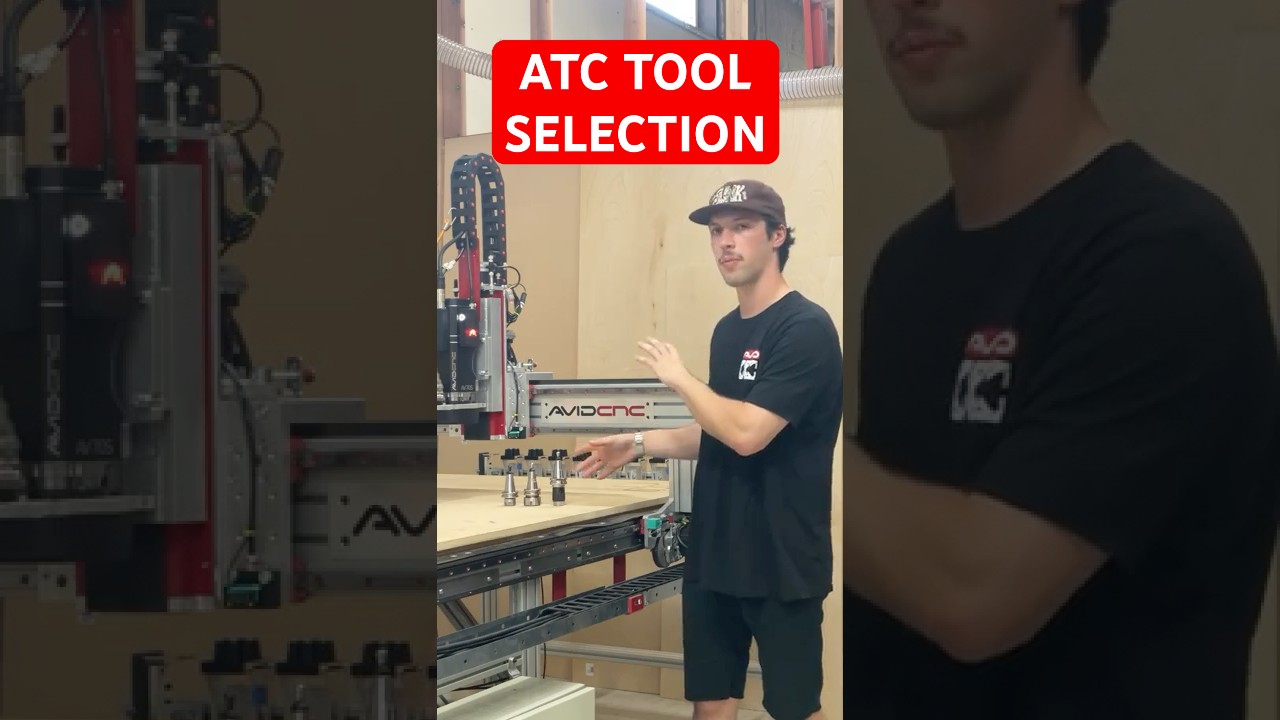
Automating your router is only as reliable as the rack holding your cutters. Recent developments in prototype tool rack design focus on maximum stability, dust protection, and reliable actuation. Seeing a prototype tool rack in action offers valuable CNC info on how modern sensor integration and mechanical locks keep tools secure during high-speed operations.
A well-engineered tool rack ensures that tool change commands are executed seamlessly every time. By shielding unused tool holders from flying chips and fine dust, advanced tool racks keep your tapered connections clean, preventing alignment issues and maintaining precision throughout complex, multi-tool job runs.
Elevating Your Workshop Productivity
Integrating an ATC into your CNC router is a transformative leap forward. Instead of manually pausing jobs and recalibrating Z-axis zeroes for every tool swap, an automated system executes multi-stage cutting, drilling, and carving programs effortlessly. For makers and machinists seeking up-to-date CNC info, staying informed on emerging ATC prototypes and tooling strategies provides a clear roadmap toward a smarter, more profitable workshop.


