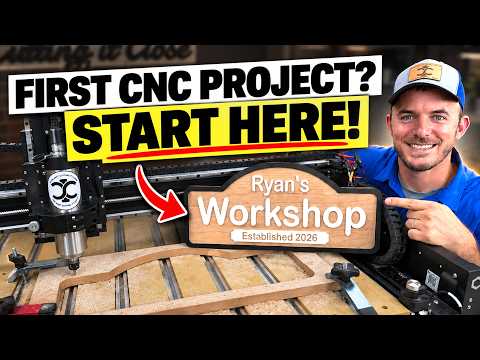
Stepping into the world of CNC (Computer Numerical Control) machining is an exhilarating milestone for any maker or hobbyist. The ability to transform a digital design into a physical masterpiece with surgical precision is nothing short of magic. However, that first time you stand before your machine can also feel a bit intimidating. To bridge the gap between "unboxing" and "creating," you need a solid plan and the right foundational knowledge.
The Foundation: Why Software Matters
Before you even turn on your machine, your project begins on the computer. For many beginners, software like Vectric provides the perfect entry point. This stage is where you define your workspace, import your vectors, and establish your toolpaths. Investing time in structured CNC training is crucial here; understanding the difference between a profile cut, a pocket cut, and a V-carve will save you hours of frustration and wasted material. Your software is the brain of the operation, and learning to speak its language is your first step toward success.
Pre-Flight Checklist: Safety and Setup
Once your design is ready, it’s time to move to the machine. Success in CNC work is often found in the details of the setup. You must ensure your material is securely fastened to the wasteboard—any movement during the cut can ruin the project or break a bit.
A standard beginner’s checklist should include: * Verifying your "Work Home" (X, Y, and Z zero points). * Checking that you have the correct bit installed for the specific toolpath. * Ensuring your dust collection is active and the path of the gantry is clear.
Running the Project with Confidence
The moment of truth arrives when you hit the "Start" button. While the machine does the heavy lifting, your role is to observe. Through comprehensive CNC training, you learn how to listen to the machine—the sound of the spindle can tell you if your feed rates are too fast or if your bit is getting dull.
Don't be discouraged if your first project isn't perfect. Every broken bit and "oops" moment is a lesson in how the machine reacts to different materials and settings. By following a structured approach and prioritizing safety, you’ll quickly move from simple shapes to complex, professional-grade projects.
Starting your CNC journey is about more than just owning a tool; it’s about mastering a new craft. With the right resources and a bit of patience, you’ll be amazed at what you can create.


