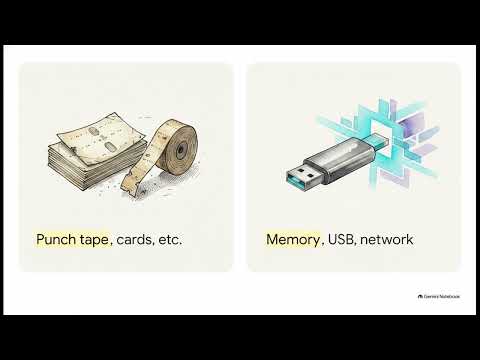
In modern manufacturing, precision and speed are paramount. Over the decades, automated machining has evolved from simple punch-card hardware to sophisticated network-driven environments. To understand where industrial automation stands today, it is essential to look at the three pillars of numerical control: NC, CNC, and DNC.
The Evolution: From NC to CNC
Numerical Control (NC) machines were the pioneers of automated manufacturing. They relied on hardwired logic and physical mediums like punched paper tapes to execute machining instructions. While revolutionary at the time, NC machines lacked flexibility—changing a part design meant manually recreating the entire physical tape.
Computer Numerical Control (CNC) solved this limitation by embedding a dedicated microcomputer into the machine tool. Operators could edit programs directly at the machine console, store multiple instruction sets, and execute complex toolpaths with unprecedented accuracy. However, managing file storage and transferring large G-code files to individual machines individually remained a major bottleneck.
How a DNC System Works
This is where a DNC system (Direct or Distributed Numerical Control) comes into play. Rather than treating each machine as an isolated island, it links multiple CNC tools to a central server or workstation over a local network.
In a modern smart shop, a central DNC system manages program storage, file transfers, and revision control seamlessly. Instead of machinists manually carrying USB drives or using legacy RS-232 serial cables for every job, the central server streams G-code directly to each machine on the shop floor. If a file is too large for an older machine's internal memory, the server feeds the instructions in real time—a process known as drip-feeding—ensuring continuous operation without hardware upgrades.
Key Advantages for Modern Manufacturing
- Centralized Data Management: Keeps master G-code programs secure in one location, preventing operators from running outdated program versions.
- Reduced Downtime: Eliminates manual data transfer delays, dramatically speeding up job setup times.
- Seamless Scalability: Integrates easily with CAD/CAM software and allows new CNC machines to be added to the network without hassle.
Conclusion
While NC laid the foundation and CNC brought intelligence to individual machine tools, implementing a reliable DNC system is the key to unifying your entire workshop floor. By connecting design software directly to operational machinery, modern plants achieve maximum productivity, fewer errors, and complete process control.


