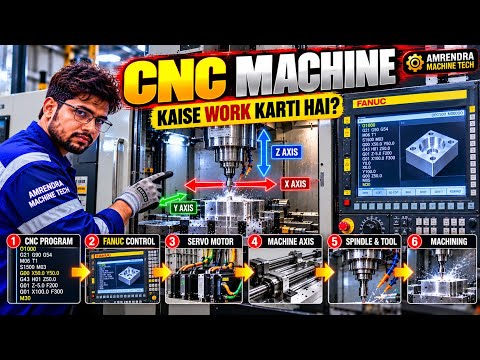
Computer Numerical Control (CNC) technology has completely transformed the modern manufacturing landscape. By replacing manual operation with precise, computer-programmed instructions, CNC machines deliver unprecedented accuracy, speed, and repeatability across various industries. But with so many specialized systems available today, understanding the primary types of CNC machines is essential for any manufacturer or engineer.
1. CNC Milling and Lathe Machines
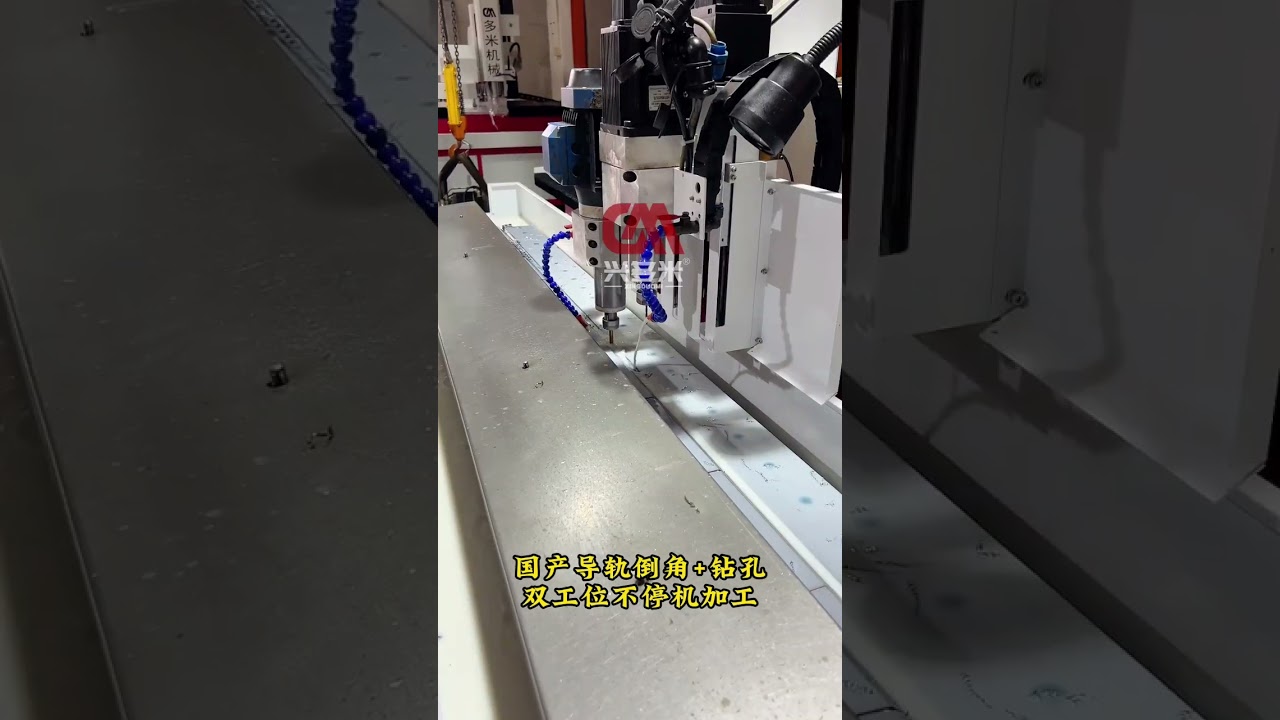
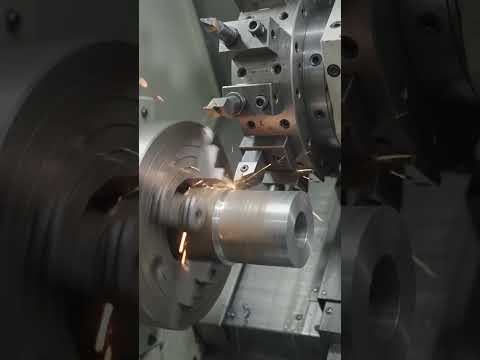
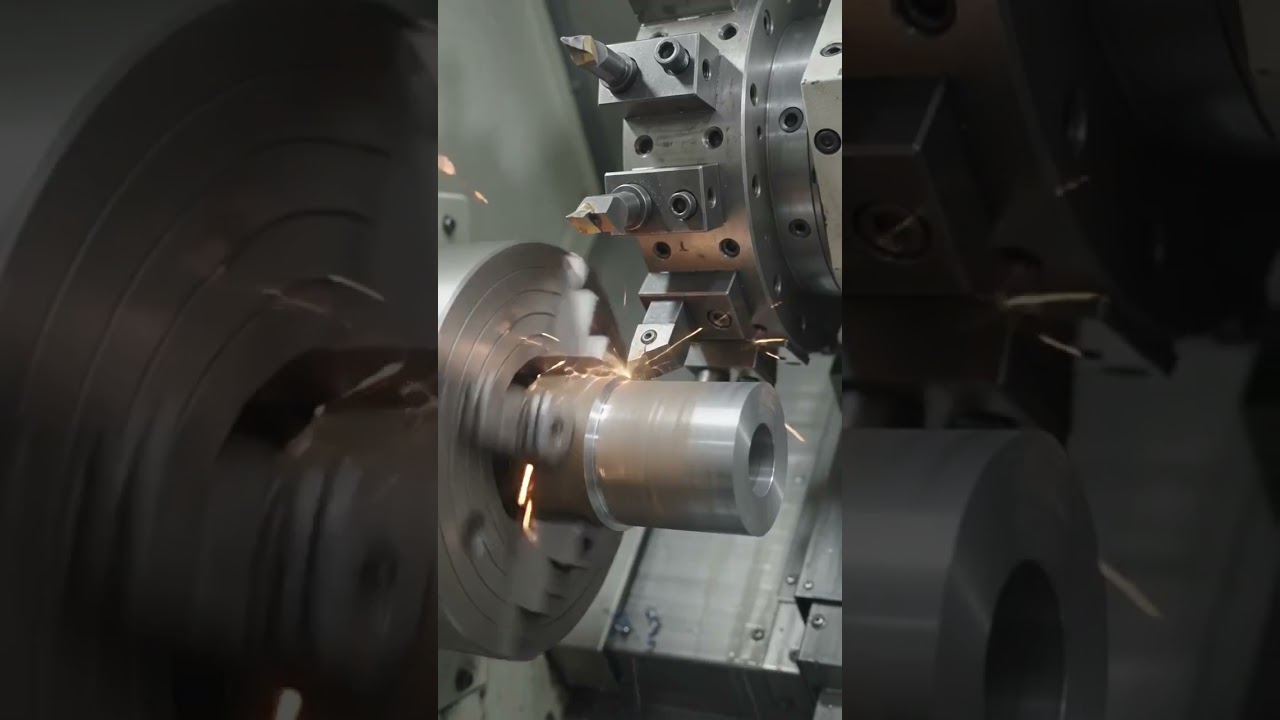
CNC mills and turning centers (lathes) are among the most common equipment found in machine shops worldwide. CNC mills use rotary cutters to remove material from a stationary workpiece at various angles, making them ideal for complex 3D parts. CNC lathes, on the other hand, rotate the workpiece against a stationary cutting tool to create precise cylindrical components like shafts, bolts, and pulleys.
2. CNC Plasma Cutters
When it comes to rapidly slicing through conductive metals, a CNC plasma cutting system is an indispensable tool. Utilizing a high-velocity jet of ionized gas, CNC plasma torches melt and blow away tough materials like structural steel, stainless steel, aluminum, and brass with incredible speed and accuracy. These machines are widely used in heavy industrial fabrication, structural engineering, and automotive restoration due to their cost-effectiveness and capability to process thick metal plates effortlessly.
3. CNC Laser Cutters and Router Systems
For intricate designs requiring razor-sharp accuracy and clean edges, CNC laser cutters offer an exceptional solution using a focused beam of high-density light. Meanwhile, CNC routers are popular for softer materials such as wood, plastics, and composites, making them a staple in furniture production and signage fabrication.
Conclusion
Whether your shop relies on a versatile 5-axis mill or a heavy-duty CNC plasma torch, selecting the right CNC technology depends entirely on your target material, design complexity, and production scale. Understanding these core categories empowers businesses to optimize their workflows and stay competitive in modern manufacturing.