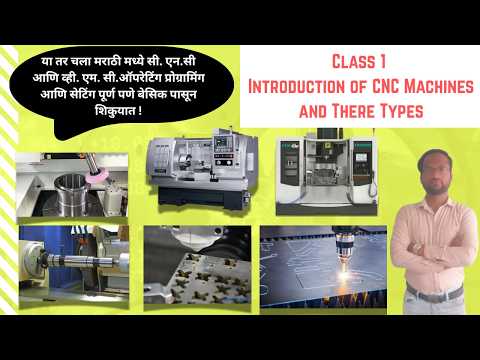
The world of modern manufacturing is driven by precision, and at the heart of this precision lies Computer Numerical Control (CNC). For anyone looking to build a career in machining or mechanical engineering, understanding the foundational CNC theory is the essential first step. Whether you are operating a mill or a lathe, the principles of how these machines interpret data remain the same.
What is CNC?
CNC stands for Computer Numerical Control. It is the automated control of machining tools by means of a computer. Unlike older Numerical Control (NC) machines that relied on hardwired logic or punched tapes, CNC machines use sophisticated software to execute programmed instructions. This shift from manual to computer-controlled operation has revolutionized the industry, allowing for high-speed production and incredible accuracy.
Understanding Axis Identification
One of the most critical aspects of CNC theory is learning how the machine moves. Most CNC machines operate within a 3D Cartesian coordinate system, identified by three primary axes:
- X-Axis: Generally represents horizontal movement (left to right).
- Y-Axis: Represents the horizontal movement moving toward or away from the operator.
- Z-Axis: Always refers to the spindle or the tool movement (up and down).
In more advanced machines, such as 4-axis or 5-axis centers, you may also encounter rotational axes (A, B, and C). Identifying these correctly is vital for error-free programming and preventing machine crashes.
Common Types of CNC Machines
The industry utilizes various types of machines depending on the complexity of the part and the material being used. The most common include:
- VMC (Vertical Machining Center): Here, the spindle is oriented vertically. These are the most common machines for milling and drilling.
- HMC (Horizontal Machining Center): The spindle is horizontal. These are preferred for heavy parts or when better chip evacuation is needed.
- VTL (Vertical Turret Lathe): Used primarily for large, heavy, and awkward workpieces that are easier to mount vertically.
- CNC Lathe/Turning Center: Used for creating cylindrical parts by rotating the workpiece against a cutting tool.
Why Mastering the Theory Matters
Before you can write complex G-codes or handle advanced VMC programming, you must have a solid grasp of CNC theory. Understanding the relationship between the machine’s hardware and the software commands ensures that you can troubleshoot issues, optimize tool paths, and maintain a safe working environment. By mastering these fundamentals, you set yourself up for success in the high-tech world of automated manufacturing.


