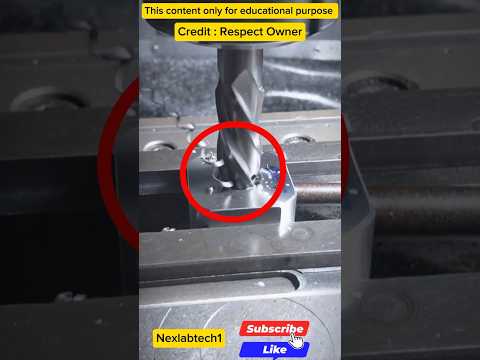
Precision is the heartbeat of any successful machine shop. When you are working with a CNC mill, one of the most frequent and critical tasks you will perform is setting the Z-axis zero point. While there are expensive electronic touch probes and digital height setters available, many seasoned pros still rely on a classic, reliable, and low-cost "hack": The Paper Method.
What is the Paper Method?
The Paper Method is a manual technique used to establish the exact distance between the tip of your cutting tool and the top of your workpiece or machine bed. It is favored by machinists worldwide because it requires no specialized equipment—just a standard scrap of paper, such as a sticky note or a piece of notebook paper. This method is perfect for quick setups where speed and practical accuracy are the top priorities.
Step-by-Step: Setting Z-Zero Like a Pro
Setting your Z-zero on a CNC mill doesn't have to be a time-consuming chore. Follow these simple steps to get it right every time:
- Clean Your Surfaces: Ensure the workpiece and the tool tip are free of chips, dust, or heavy oil. Even a tiny piece of debris can throw off your measurement by several thousandths of an inch.
- Position the Paper: Place a thin strip of paper on the surface you are referencing (either the top of the part or the fixure).
- Lower the Tool: Using the handwheel or jog controls, slowly lower the spindle. As you get closer to the surface, switch your jog increment to the smallest setting (usually 0.001" or 0.0001").
- The "Tug" Test: While lowering the tool in small increments, gently wiggle the paper back and forth. The moment you feel the tool "pinch" the paper so it can no longer move freely, you have reached your reference point.
Accounting for Paper Thickness
It is important to remember that paper has a physical thickness—typically ranging from 0.003 to 0.004 inches. To achieve a true Z-zero, you should account for this thickness in your machine controller. By adding the thickness of the paper to your offset, you ensure that your CNC mill knows exactly where the material starts, preventing accidental over-cutting or potential tool damage.
Conclusion
The Paper Method remains a staple in the industry because it is fast, reliable, and incredibly cost-effective. Whether you are a hobbyist working in a home garage or a professional machinist in a high-production environment, mastering this simple technique will save you time during setup and help you maintain the high level of precision your projects demand.


