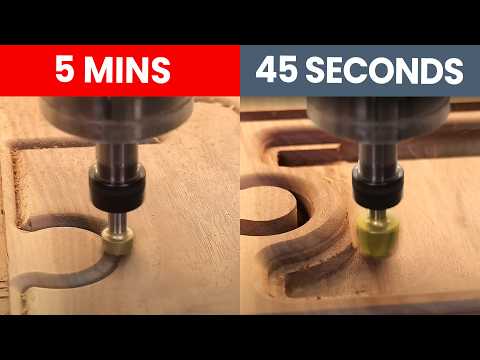
Whether you are a seasoned machinist or an ambitious maker, time is your most valuable asset in the workshop. Making precise cuts while maintaining maximum efficiency requires more than just high-end machinery—it demands smart techniques. Taking full CNC control over your machining process can transform your workflow, saving you hours of frustration and unnecessary labor.
Here are five advanced CNC tips designed to streamline your operations and elevate your finished projects.
1. Optimize Your Tooling Selection
Using the right router bit for the specific material makes a world of difference. Specialized roughing bits, such as upcut roughers, allow you to clear large amounts of material rapidly without bogging down your spindle. By pairing aggressive roughing tools with precise finishing bits, you minimize cycle times and extend the overall lifespan of your cutting tools.
2. Fine-Tune Feeds, Speeds, and Pass Depth
Pushing your machine too hard leads to chatter, broken bits, and poor surface finishes. Conversely, running it too conservatively wastes precious time. Take the time to fine-tune your feed rates and depth of cut. Modern CAD/CAM software allows you to tweak these parameters, giving you fine-tuned CNC control over chip load and material removal rates.
3. Leverage High-Efficiency Toolpaths (Adaptive Clearing)
Instead of traditional offset toolpaths, adopt adaptive clearing strategies. Adaptive toolpaths maintain a constant tool engagement angle, drastically reducing thermal stress on the cutter. This technique allows for deeper cuts at faster feed speeds, drastically reducing total job runtime.
4. Standardize Your Zeroing and Workholding
Setup time is often the biggest bottleneck in standard workshop operations. Implement repeatable workholding solutions like vacuum tables, threaded grid boards, or standardized alignment stops. Establishing quick, dependable zeroing routines reduces pre-job prep and minimizes human error.
5. Master Software Presets and Custom Macros
Most modern machine controllers and design software allow you to create custom macros and tool libraries. By saving proven speeds, feeds, and routine positioning scripts directly into your CNC control software, you eliminate repetitive data entry and get projects running with just a few clicks.
Final Thoughts
Efficiency in the shop isn't about rushing—it's about working smarter. By implementing these advanced strategies, optimizing your toolpaths, and mastering your machine's setup, you will dramatically reduce production time while delivering cleaner, more precise results on every build.


