Unlock Better Machining: How to Use CNC Data Hidden on Your Insert Boxes
This article provides an in-depth exploration of CNC data, covering foundational concepts, practical applications, and engineering insights.
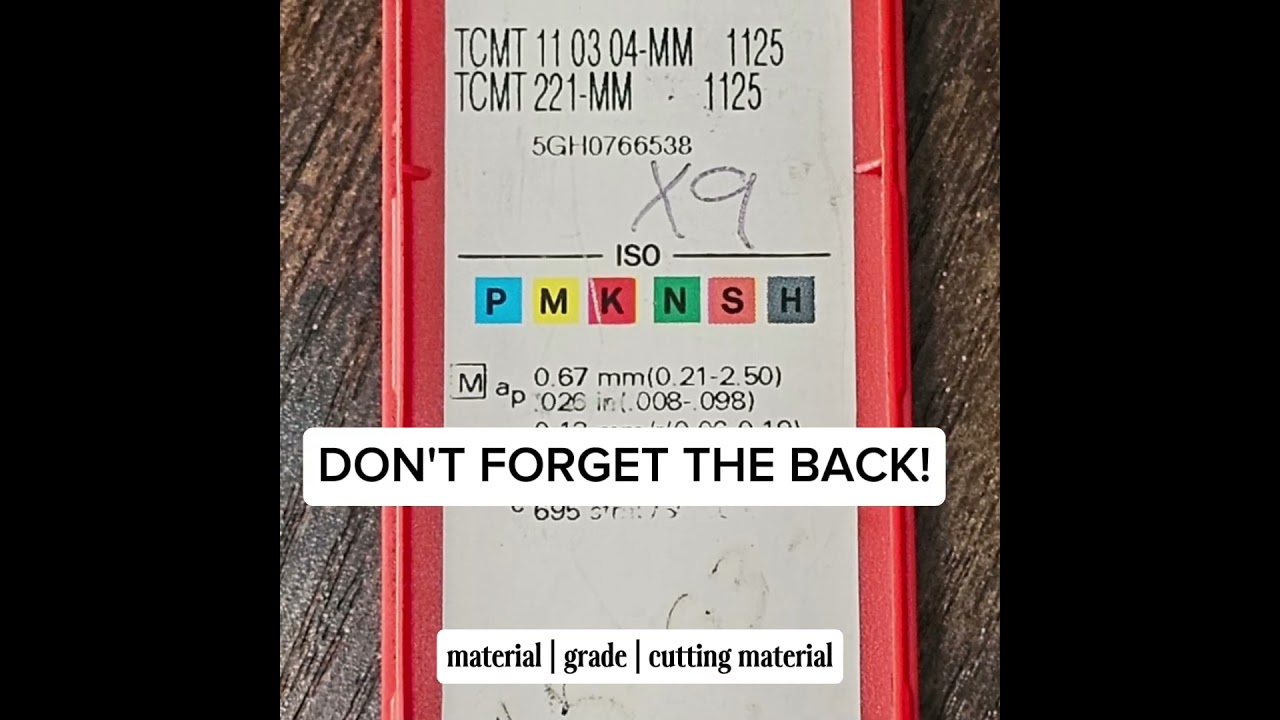
When working in a machine shop, it is easy to grab a cutting tool insert based purely on its physical shape and size. However, relying on visual inspection alone is a common mistake that can cost you valuable time, tool life, and finish quality. The next time you open a new pack of carbide inserts, take a closer look at the packaging—it holds crucial CNC data that can immediately transform your machining operations.
Why the Information on the Box Is Essential
Insert packaging isn't just a protective plastic case; it serves as a condensed user manual designed to optimize your cutting parameters. Tool manufacturers print exact specifications directly on the label so operators can extract maximum performance from every cutting edge.
When you ignore the packaging, you miss out on vital details, including:
- Recommended Feeds and Speeds: Ideal surface feet per minute (SFM) or meters per minute (m/min) tailored to specific workpiece materials.
- Material Classifications: ISO color-coded indicators (P, M, K, N, S, H) showing whether the insert is designed for steel, stainless steel, cast iron, or exotic alloys.
- Geometry & Chipbreaker Specs: Detailed codes defining nose radius, insert thickness, and chip-control geometry designed for roughing, medium, or finishing passes.
Optimizing Operations with Accurate CNC Data
By utilizing the accurate CNC data printed on your tool packaging, you eliminate expensive guesswork during setup and programming. Rather than relying on trial-and-error speed choices, entering the manufacturer’s verified starting parameters guarantees proper chip formation and effective heat dissipation.
Properly leveraging this information helps machinists prevent premature edge wear, reduce cycle times, and achieve superior surface finishes. Whether running a high-volume production facility or a short-run job shop, reading the box is the simplest way to extend tool life and boost overall productivity.
Don't Throw Away Key Insights
Before discarding your insert box, make it a standard practice to log the listed parameters into your tool library or write them directly on your setup sheets. Paying attention to these frequently overlooked details is what separates standard machine operators from true master machinists. Stop ignoring the packaging and let the data on the box work for you!
Visual Insights & Illustrations


