Computer Numerical Control (CNC) has completely transformed modern manufacturing, enabling creators to turn intricate digital designs into physical parts with unbelievable accuracy. Whether you are an aspiring machinist, an engineering student, or a DIY hobbyist, gathering accurate CNC info is the crucial first step toward mastering this powerful technology.
In this comprehensive guide, we will break down the fundamental concepts of CNC machining, how it works, and why it plays such a vital role in modern industry.
What is CNC Machining?
CNC stands for Computer Numerical Control. It refers to the automated operation of machine tools—such as mills, lathes, routers, and grinders—controlled by a computer program. Unlike traditional manual machinery that requires constant human input, a CNC machine follows programmed digital instructions to shape raw materials like metal, wood, plastics, and composites.
How Does CNC Technology Work?
The CNC process follows a streamlined digital workflow:
- CAD Model Creation: The process begins by designing a 3D model using Computer-Aided Design (CAD) software.
- CAM Conversion: The CAD drawing is imported into Computer-Aided Manufacturing (CAM) software, which converts the design into machine instructions, typically written in G-code.
- Machine Setup: The raw material (stock) is secured inside the machine, and the necessary cutting tools are loaded.
- Execution: The CNC computer reads the G-code and guides the cutting tools along multiple axes to cut, carve, or drill the material into its exact shape.
Common Types of CNC Machines
Depending on the project requirements, different types of CNC machines are utilized:
- CNC Mills: Use rotating multi-point tools to remove material from a stationary workpiece.
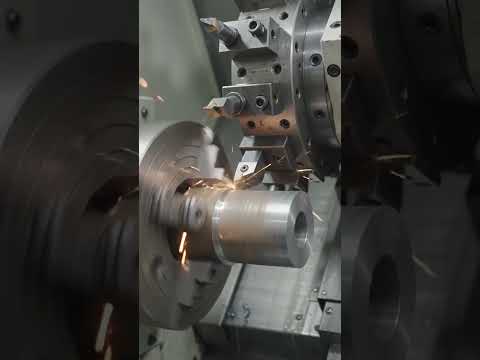
- CNC Lathes: Rotate the material against a stationary tool to shape cylindrical components.
- CNC Routers: Highly efficient machines used primarily for cutting softer materials like wood, plastics, and foam.
- Laser & Plasma Cutters: Utilize high-energy beams or plasma jets to slice through thick metals with smooth precision.
Why Quality CNC Info Matters
Understanding the mechanics behind automated machining helps manufacturers optimize production schedules, cut down material waste, and increase overall efficiency. Having access to reliable CNC info ensures you choose the correct cutting tools, feeds, and speeds, resulting in consistent, high-precision outcomes on every production run.
Final Thoughts
As manufacturing moves toward industry 4.0, CNC technology continues to integrate with robotics and smart automation. By building your knowledge base today, you can leverage these advanced toolsets to produce superior parts with confidence and speed.


