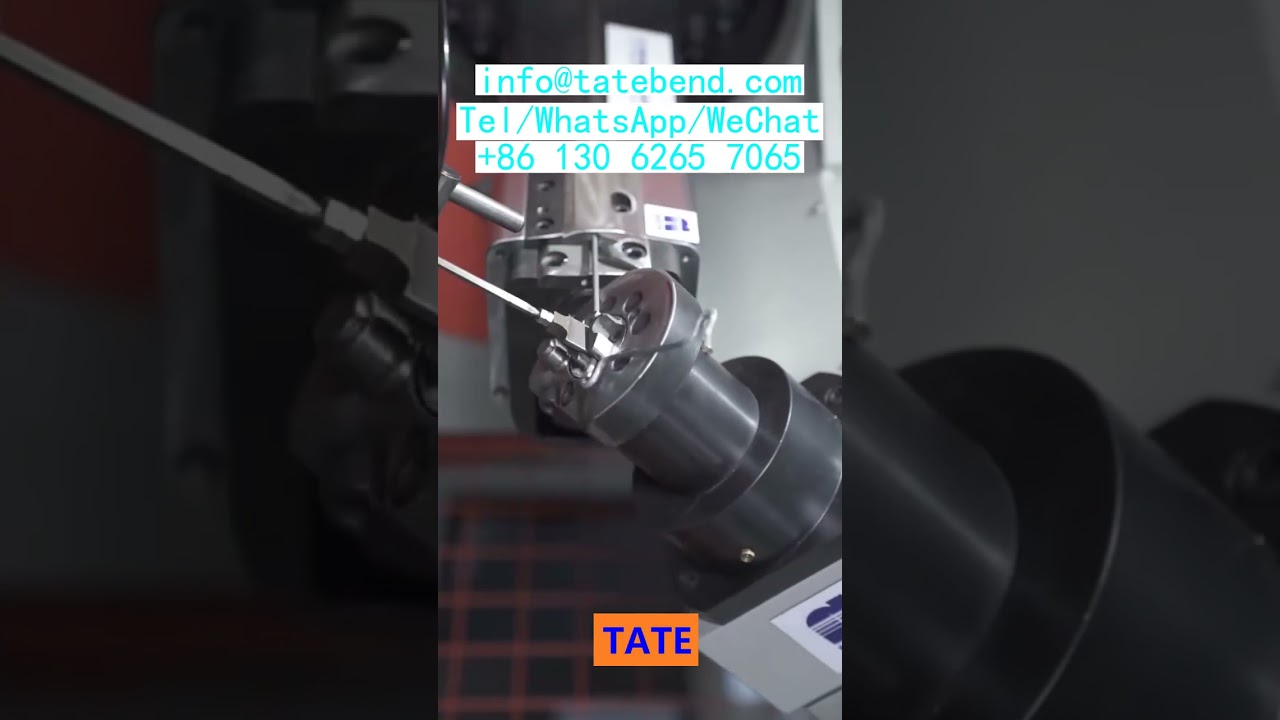
Essential CNC Info: Troubleshooting and Maintenance Tips for 3D CNC Wire Bending Machines
This article provides an in-depth exploration of CNC info, covering foundational concepts, practical applications, and engineering insights.
In modern construction and manufacturing industries—from infrastructure projects in Algeria to industrial developments in Uzbekistan—3D CNC wire bending and ring-making machines play a crucial role. These automated systems offer exceptional precision and speed, transforming raw wire into complex structural components. However, to keep your production line running without interruption, staying updated with practical CNC info regarding equipment troubleshooting and routine maintenance is essential.
Common Troubleshooting Techniques for CNC Wire Benders
Unexpected downtime can stall major construction schedules. Knowing how to identify and resolve operational issues quickly will keep your shop floor productive:
- Inconsistent Bending Angles: If wire bends deviate from your programmed specifications, check the bending pin and drive rollers for wear. Also, ensure the mechanical material properties entered into the control software match your current wire batch.
- Wire Feeding Slippage: When wire slips during feeding, inspect the feed wheels for correct tension and buildup. Dust, scale, or worn grooves can compromise grip and disrupt feeding accuracy.
- Sensor and Drive Errors: Modern machines use smart control panels to flag operational faults. Accessing up-to-date CNC info from your machine supplier helps operators determine whether an error stems from a servo overload, sensor misalignment, or emergency stop trigger.
Essential Preventive Maintenance Practices
Extending the operational lifespan of your 3D CNC wire bending machine requires a proactive maintenance routine:
- Daily Cleaning and Lubrication: Metal shavings and debris accumulate rapidly. Clean the mechanical guides daily and apply recommended lubricants to sliding components to prevent frictional wear.
- Electrical and Hydraulic Inspections: Regularly check wiring connections, limit switches, and hydraulic fluid levels (if applicable) to avoid sudden electrical faults or pressure drops.
- Tooling Calibration: Periodically inspect and recalibrate bending dies, cutters, and pins to ensure precise execution across long production runs.
Maximizing Reliability with Expert Support
Sourcing machines from reliable manufacturers—such as TATE CNC Machinery—ensures you have direct access to specialized spare parts, technical guidance, and long-term service support. Equipping your technical team with reliable CNC info and factory support enables your business to maintain peak efficiency and tackle complex wire-forming projects anywhere in the world.
Visual Insights & Illustrations


