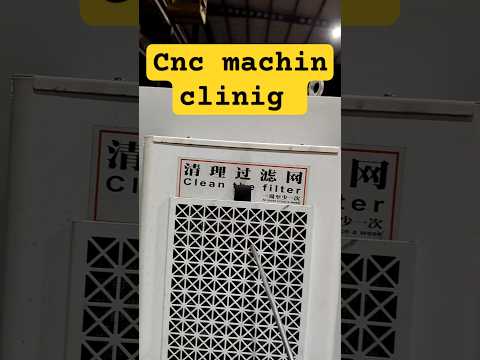
In the fast-paced world of manufacturing, keeping your machinery operating at peak efficiency is essential for minimizing costly downtime. Computer Numerical Control machinery represents a major investment, making proper daily upkeep non-negotiable. If you are searching for practical CNC info to extend the operational lifespan of your equipment, establishing a disciplined daily cleaning routine is the best place to start.
Why Daily CNC Maintenance Matters
Accumulated metal chips, fine dust, and dried coolant are the ultimate enemies of precision machining. Left unchecked, debris can clog fluid lines, damage spindle bearings, and cause unnecessary friction across moving components. Implementing a daily cleaning protocol prevents unexpected mechanical breakdowns, maintains dimensional accuracy, and protects your operational bottom line.
Essential Steps for Your Daily Routine
To keep your CNC mill or lathe running smoothly every single day, follow these simple maintenance practices:
- Clear Away Chips and Debris: At the end of every shift, brush or vacuum metal shavings from the enclosure, way covers, and workholding fixtures. Avoid using high-pressure compressed air near delicate seals, as it can push micro-particles deeper into vital mechanisms.
- Inspect and Maintain Fluid Levels: Check coolant concentration, hydraulic fluid, and automatic lubricator levels daily. Proper lubrication prevents premature component wear and overheating.
- Clean Spindles and Tool Holders: Carefully wipe down the spindle taper and tool holders with a lint-free cloth. Dirt or rust in the taper can lead to tool runout and compromised cutting precision.
- Empty the Chip Basket: Routinely clear the chip tray and filtration units to prevent coolant backflow and ensure efficient fluid recirculation.
Long-Term Benefits of Routine Care
Consistently following these simple cleaning steps pays off through improved workpiece surface finishes, fewer emergency repair calls, and extended machinery longevity. Having access to reliable CNC info empowers shop operators to identify minor wear and tear before it escalates into major mechanical failure.
By dedicating just a few minutes at the end of each workday to proper cleaning, you keep your workshop productive, safe, and profitable.


