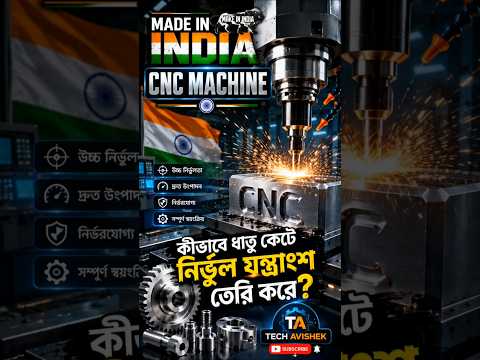
Computer Numerical Control (CNC) technology has completely transformed modern manufacturing, allowing industries to create intricate metal parts with unmatched speed and accuracy. Whether you are a student, engineer, or tech enthusiast searching for reliable CNC info, understanding how these automated tools work is essential to grasping the future of industrial production.
How CNC Machines Work
At its core, a CNC machine is a computerized manufacturing system that reads pre-programmed software instructions to control heavy-duty tools. Unlike traditional manual lathes or milling machines that rely on human operators to guide every cut, CNC machinery follows precise digital blueprints down to fractions of a millimeter.
The process begins with a 3D CAD design converted into G-code—the universal programming language for CNC equipment. Once loaded into the system, the machine automatically manages tool paths, spindle speeds, and coolant flows. High-speed rotating cutters slice through metals like steel, aluminum, and brass, effortlessly transforming raw stock into detailed, finished components.
Key Benefits of High-Precision Machining
When exploring practical CNC info, the most striking advantage of this technology is its extreme precision and efficiency. Here is why automated machining leads the manufacturing sector:
- Unmatched Precision: Advanced CNC systems operate with micro-level accuracy, producing flawless cuts and smooth finishes every single time.
- High Repeatability: Once programmed, a machine can replicate thousands of identical parts without standard human error.
- Complex Geometry: Multi-axis CNC tools can execute complex 3D shapes that would be impossible to create manually.
Empowering Global Manufacturing
Innovations in CNC machinery have fueled growth across global industrial hubs, including the rapidly expanding manufacturing sector in India. Domestic production of advanced CNC equipment enables industries to supply high-quality automotive, aerospace, and electronics components locally with extreme cost-efficiency.
As technology advances, automation will continue to refine how we shape raw materials. Staying updated with the latest CNC info ensures you remain ahead of the curve in today's fast-evolving manufacturing landscape.


