Understanding Precision Engineering: Essential CNC Info You Need to Know
This article provides an in-depth exploration of CNC info, covering foundational concepts, practical applications, and engineering insights.
Modern manufacturing relies heavily on automation, speed, and microscopic accuracy. At the heart of this industrial evolution is the CNC (Computer Numerical Control) machine. Whether you are an aspiring engineer or simply curious about modern workshop technology, getting reliable CNC info is the first step toward understanding how raw metal is transformed into intricate, highly functional components with unmatched precision.
What is a CNC Machine and How Does It Work?
A CNC machine is an automated industrial tool used to cut, mill, drill, and shape materials such as metal, plastic, and wood. Unlike traditional machinery controlled manually by human operators, a CNC machine operates entirely based on pre-programmed software instructions.
The production process begins with a 3D digital design created in CAD (Computer-Aided Design) software. This design is then translated into machine-readable code (G-code) via CAM (Computer-Aided Manufacturing) software. The CNC router or mill reads these digital commands and executes multi-axis cutting movements to fabricate the exact geometry required.
The Power of High-Precision Metal Cutting
The true strength of modern automated machinery lies in its ability to cut through tough metals while maintaining microscopic tolerance levels. Advanced manufacturing hubs around the world rely on modern tools to achieve near-zero margins of error. Having up-to-date CNC info helps us appreciate why this technology is indispensable for high-stakes industries like aerospace, automotive, robotics, and medical equipment design.
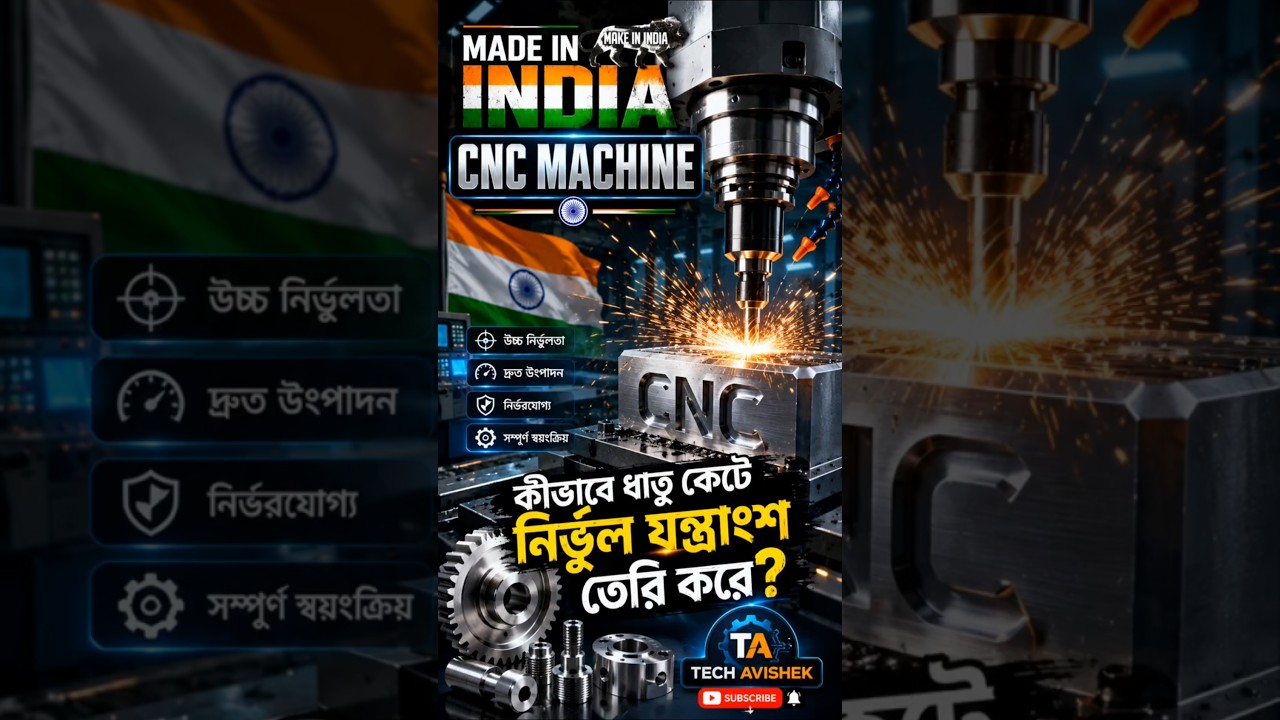
During operation, heavy-duty spinning tools shave off ultra-thin layers of metal. Simultaneous coolant flushing reduces friction and thermal stress, preventing the material from warping and ensuring the finished product matches the exact specifications of the original digital blueprint.
Key Advantages of CNC Technology
- Extreme Accuracy: Virtually eliminates human error, producing consistent, identical components repeatedly.
- Enhanced Productivity: Runs continuously with high-speed execution, drastically shortening production cycles.
- Material Versatility: Capable of processing everything from lightweight aluminum to hardened steel and titanium.
Final Thoughts
CNC machines have revolutionized how hardware and precision components are manufactured globally. As automation continues to evolve, these systems are becoming smarter, faster, and even more reliable. Keeping up with accurate CNC info equips you with valuable insights into the automated systems driving modern engineering today.
Visual Insights & Illustrations


