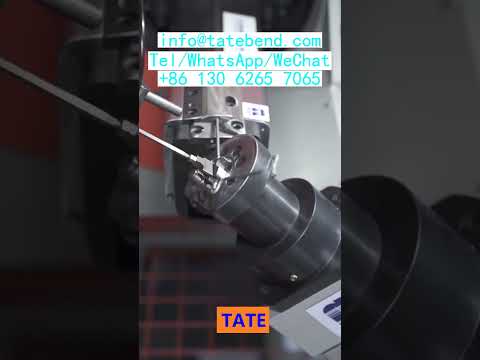
3D CNC wire bending and ring-making machines are the backbone of modern construction and industrial manufacturing across the globe, supporting infrastructure projects from Algeria to Uzbekistan. To keep these powerful automated systems running smoothly and efficiently, having access to accurate CNC info is essential for workshop managers, technicians, and operators alike.
Whether you are producing structural wire rings or complex 3D wire configurations, establishing a proactive maintenance routine and understanding quick troubleshooting techniques will safeguard your production line against costly downtime.
Essential Maintenance Practices for 3D CNC Wire Benders
Routine preventive maintenance ensures your wire bending machinery operates with high precision and minimal mechanical friction. Integrate these fundamental practices into your regular schedule:
- Lubrication and Debris Removal: Metal dust, scale, and wire shavings can accumulate around feeding rollers and bending heads. Daily cleaning paired with regular lubrication of linear guide rails, ball screws, and gears prevents premature wear.
- Roller and Tooling Inspection: Regularly inspect feeding rollers, wire straighteners, and bending pins for grooving or surface erosion. Replacing worn components promptly guarantees dimensional accuracy.
- Electrical and Hydraulic Diagnostics: Periodically check all wiring connections, proximity sensors, and hydraulic fluid levels. Referencing up-to-date CNC info specific to your machine's controller and drive system streamlines these checks and prevents electrical fault surprises.
Troubleshooting Common Wire Bending Operational Issues
Even high-performance wire ring makers encounter occasional operational challenges. Knowing how to resolve these issues fast keeps your output steady:
- Inconsistent Bending Angles or Wire Slippage: If wire feeding appears uneven or bend angles drift, check the tension on the wire straighteners and feed rollers. Readjusting pneumatic pressure and cleaning straightener bearings typically restores grip and precision.
- Dimensional Distortion in Wire Rings: Inconsistent ring diameters often stem from tensile strength variations across different wire batches. Recalibrate your controller's bending parameters or execute a manual test bend to fine-tune the bending offset.
- Drive Overload and Motor Overheating: Excessive motor heat often indicates mechanical resistance along the wire pathway or clogged cooling filters. Clear any obstructed vents and ensure all moving mechanical assemblies rotate smoothly.
Conclusion
Taking care of your automated manufacturing equipment requires consistency, but the return on investment is immediate in terms of extended service life and continuous output. Staying informed with practical CNC info empowers production teams to resolve issues quickly, protect their capital investments, and maintain a competitive edge in manufacturing.


