How to Build a DIY CNC Router for Beginners
Learn the essential steps and concepts to assemble your first DIY CNC router like a professional maker.
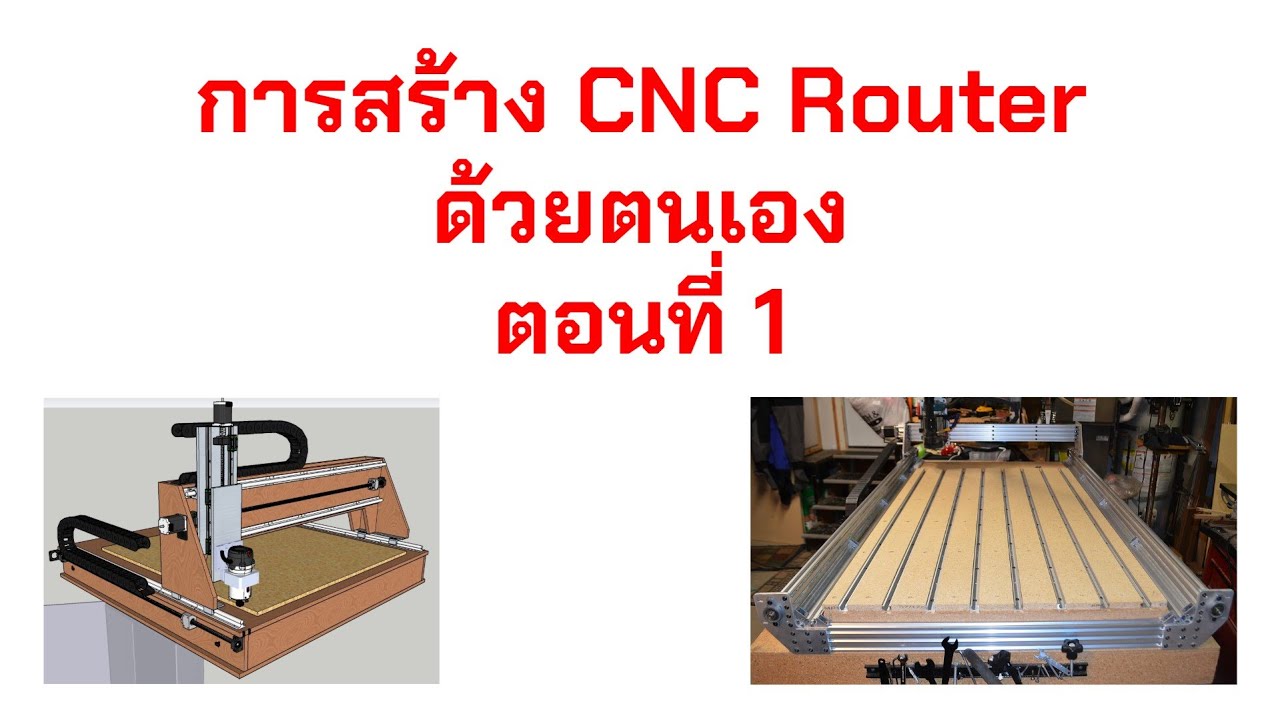
Introduction to DIY CNC Routing
Building your own CNC (Computer Numerical Control) router is one of the most rewarding projects for woodworkers, makers, and hobbyists. A DIY CNC machine gives you precise control over cutting, carving, and engraving various materials like wood, acrylics, and soft metals without paying a premium for industrial machines.
Whether you want to start a custom woodworking business or simply expand your workshop capabilities, understanding the basic structure and mechanics of a CNC router is key to building a reliable tool.
Watch: DIY CNC Router Build Guide (Part 1)
Check out the video below for a comprehensive walk-through on setting up and assembling a DIY CNC router from scratch:
Key Components You Need for a DIY CNC Build
Before assembling your machine, it is crucial to familiarize yourself with the core hardware components that make up a CNC system:
- Frame & Rails: Aluminum extrusions or heavy-duty steel provide stability and reduce vibration during cutting.
- Linear Motion & Drive Systems: Lead screws, ball screws, or timing belts move the axes smoothly.
- Stepper Motors: Drive the X, Y, and Z axes to precise locations based on G-code instructions.
- Spindle / Router: The cutting head that spins the bit to shape or cut materials.
- Control Board & Drivers: Translates commands from your computer into electrical signals for the motors.
Steps to Ensure a Successful Build
1. Square Your Frame
Precision is everything in CNC machining. Ensure that all corners of your frame are perfectly square during assembly to prevent inaccuracies during operation.
2. Plan Cable Management
Loose wires can snag during high-speed movements. Use drag chains (cable carriers) to keep stepper motor cables and power wires neatly organized.
3. Test Movement Before Cutting
Always perform dry runs without a bit installed to test motor direction, homing switches, and travel limits before cutting actual materials.


