Buying your first CNC machine can feel overwhelming given the technical jargon and endless options available today. However, mastering a few core specifications is all it takes to make a smart, cost-effective investment. Whether you are a dedicated hobbyist or launching a small workshop, getting started with CNC machining requires choosing a machine tailored to your material and size needs.
Before hitting the buy button, here are the four crucial specifications you must evaluate.
1. Work Area (Build Volume)
The work area defines the maximum dimensions of the physical material your machine can cut, carve, or engrave. Before buying, consider the size of the objects you plan to make. While compact desktop models are great for small crafts and PCB etching, larger projects like custom furniture or signs demand a wider bed. Pay close attention not only to the X and Y axes, but also to the Z-axis clearance, which determines how thick your raw materials can be.
2. Spindle Power
Spindle power dictates what types of materials your machine can tackle. Lower power spindles (under 300W) are suitable for light engraving and soft materials like foam, plastic, or softwood. However, if your CNC machining projects involve dense hardwoods, acrylics, or soft metals like aluminum and brass, you will need a higher-wattage spindle (500W to 2.2kW+) to cut cleanly without stalling or damaging the bit.
3. Speed and Feed Rates
Speed involves two main elements: spindle speed (RPM) and feed rate (how fast the tool moves through the material). High feed rates reduce production time, but speed must always be balanced against material hardness. Operating at incorrect speeds can lead to melted plastics, scorched wood, or broken cutting bits. Look for machines with versatile control software that allows easy adjustments to spindle speeds and feed rates.
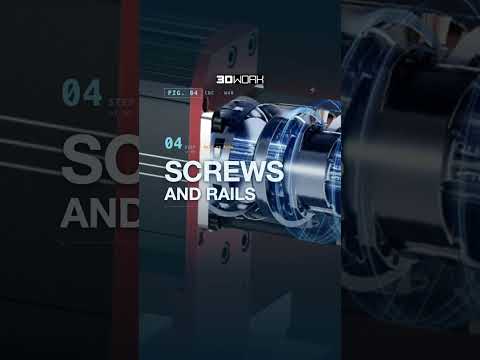
4. Drive System Mechanics
How motion moves across each axis significantly impacts accuracy and durability: * Belt Drives: Fast, cost-effective, and easy to maintain, but can stretch over time during heavy cutting. * Leadscrews & Ball Screws: Deliver exceptional accuracy, high torque, and rigid performance. They are ideal for precise carving and metalworking.
Summary
Choosing the right machine doesn't have to be complicated. By balancing work area, power, speed, and drive mechanics, you can build or buy a setup that takes your CNC machining projects to the next level with ultimate precision and confidence.


