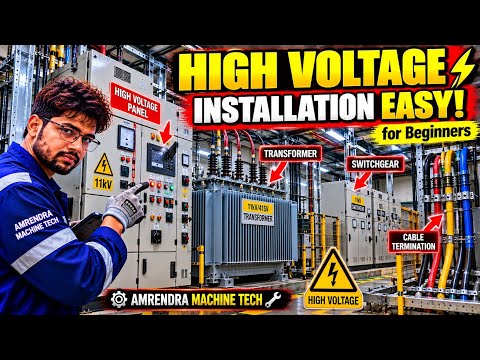
High voltage electrical installations can seem intimidating, especially for beginners entering the world of industrial machinery and automated manufacturing. However, understanding the fundamentals of high-voltage power systems is not reserved solely for master electricians—it is a vital skill that directly supports operational safety, power efficiency, and long-term CNC maintenance.
Understanding High Voltage Basics in Industrial Environments
High-voltage systems serve as the backbone for heavy industrial equipment, delivering the stable power required to run high-torque motors, spindles, and complex drive systems. For beginners, the core focus should be on safe power routing from the main distribution board to your equipment. Proper electrical installation ensures that voltage fluctuations, ground faults, and phase imbalances are kept to a minimum, protecting sensitive computerized controllers from costly electrical damage.
Aligning Electrical Setup with Proactive CNC Maintenance
Proper high-voltage wiring lays the groundwork for all future machine health. Incorporating accurate electrical installation practices into your facility setup directly simplifies routine CNC maintenance down the road. When high-voltage lines are correctly installed with appropriate conduit, proper wire gauges, and dedicated grounding, you significantly reduce thermal stress on sensitive internal electronics.
A clean power supply prevents mysterious machine resets, servo drive faults, and unexplainable component wear. Treating your initial electrical setup as an integral phase of your overall CNC maintenance plan ensures your machinery operates at peak efficiency with minimal unexpected downtime.
Key Installation and Safety Best Practices
If you are getting started with high-voltage setups, keep these essential rules in mind:
- Follow Lockout/Tagout (LOTO) Protocols: Always de-energize circuits and verify zero energy state with proper measuring tools before handling any wiring.
- Ensure Proper Grounding: Double-check all grounding circuits to protect both the operator from shock hazards and sensitive logic boards from electrical noise.
- Check Terminal Tightness: Loose high-voltage connections create high resistance, leading to overheating, component burnouts, or fire hazards.
Conclusion
Simplifying high-voltage electrical installation comes down to following structured safety protocols and understanding how power impacts your machinery. By establishing a clean, code-compliant electrical foundation today, you set your workshop up for reliable operation and far easier equipment maintenance for years to come.


