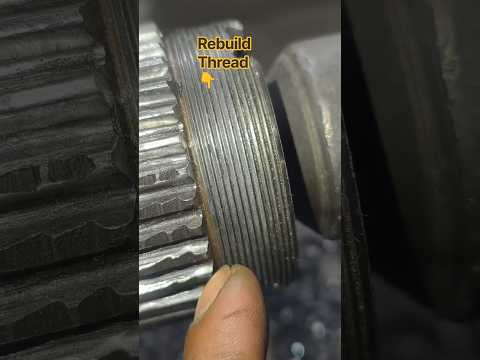
In high-stakes industries like automotive manufacturing and heavy engineering, damaged threads on critical components can quickly bring operations to a costly halt. While traditional manual thread repair methods often lack the necessary precision, leveraging modern CNC tools ensures seamless, reliable restoration. Understanding how to properly execute thread re-machining is a vital practice that directly strengthens your overall CNC maintenance program.
Why High-Precision Tooling Matters in Thread Restoration
When restoring stripped or worn threads, uncompromising accuracy is essential. Utilizing rigid lathe setups paired with specialized carbide inserts allows operators to recut threads with micron-level exactness. Carbide tooling effortlessly withstands intense heat and cutting forces, delivering sharp, clean, burr-free threads even on hardened steel. By automating the re-threading process through precise CNC programming, machine shops eliminate human error and achieve perfect pitch consistency every single time.
Key Steps to Successful CNC Thread Repair
Executing a flawless thread repair operation requires a methodical approach:
- Inspection and Setup: Thoroughly clean the damaged part and verify the exact pitch and profile using precision gauges. Clamp the component securely in the machine chuck to eliminate chatter and vibration.
- Tool Selection: Opt for high-grade indexable carbide inserts specifically designed for thread chasing or single-point threading.
- Accurate Alignment: Align the cutting tool precisely with the existing thread groove before initiating the pass to avoid double-threading or cross-threading the material.
Integrating Thread Repair into Proactive Care
Incorporating thread inspection and swift repair into your standard CNC maintenance schedule drastically reduces unexpected machine downtime. Component wear and improper torque can cause subtle alignment shifts over time. Consistently inspecting spindle accuracy, tool holders, and thread tolerances prevents minor tool wear from escalating into major machinery failures.
By combining modern carbide tooling with disciplined daily CNC maintenance, operators can significantly extend workpiece service life, protect equipment investments, and maintain maximum productivity on the shop floor.


