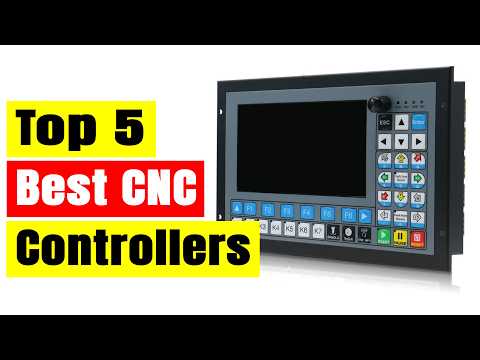
Whether you are a seasoned machinist, a woodworker, or a passionate DIY maker, upgrading your workshop equipment is the fastest way to boost precision and efficiency. At the heart of every automated cutting, milling, or engraving machine lies its command center. Choosing the right CNC controller can make the difference between a smooth, flawless project and hours of frustrating troubleshooting.
As digital fabrication technology rapidly advances in 2026, modern control systems offer unprecedented features—ranging from standalone offline processing to high-speed multi-axis motion control. Here is what you need to know to select the best system for your setup.
Key Types of CNC Control Systems
Not all machines require the same control hardware. Depending on your primary application, you will encounter three major categories:
- GRBL Systems: Perfect for entry-level desktop CNC routers, laser engravers, and hobbyists. They are open-source, cost-effective, lightweight, and easy to configure via simple software.
- Offline Controllers: Ideal for makers who prefer running operations without keeping a computer connected. These standalone units read G-code directly from an SD card or flash drive, protecting your job from computer sleep modes or software crashes.
- Plasma & Heavy-Duty Controllers: Designed for industrial applications such as metal plasma cutting and heavy milling. They feature advanced Torch Height Control (THC) and robust signal isolation against harsh electrical noise.
Essential Features to Look For
When shopping for an upgrade, matching hardware capabilities to your workflow is crucial. A high-performance CNC controller should seamlessly integrate with your stepper drivers, spindle controls, and preferred CAD/CAM software.
Key specifications to evaluate include: 1. Axis Support: Ensure the board supports your required configuration, whether standard 3-axis or advanced 4-axis and 5-axis operations. 2. User Interface: Look for bright touchscreens, physical pendants, or intuitive handheld units for effortless manual jogging and work coordinate zeroing. 3. Hardware Protection: Opt for boards featuring built-in optocoupler isolation to shield your electronics from unexpected voltage spikes.
Final Thoughts
Investing in a reliable CNC controller is one of the most impactful upgrades you can make for your workshop. By choosing a system tailored to your specific machining needs—whether laser engraving, woodworking, or metal cutting—you will maximize output quality and streamline your overall production process in 2026 and beyond.


