Are you currently working as a machine operator and looking to advance your manufacturing career? Upgrading your skills to become a CNC programmer is one of the most rewarding steps you can take. While operators handle daily setups and routine executions, programmers are the architects behind the entire production workflow.
Step 1: Master Machine Identification and Control Panels
The journey from operator to programmer begins with a deep understanding of your equipment. You must move beyond basic operation and truly comprehend how different controllers function. Learning to navigate industry-standard control systems, such as the FANUC control panel, gives you the confidence to input data, modify parameters, and troubleshoot setup errors effectively. Knowing how your machine responds to specific commands is essential for high-precision CNC machining.
Step 2: Learn to Write G-Code and M-Code Programs
To become a successful programmer, you need to speak the machine's language. This means learning G-code (which controls motion and positioning) and M-code (which manages auxiliary functions like coolant and spindle operation). Instead of relying on pre-existing templates, practice writing programs from scratch. Understanding tool paths, cutting speeds, feed rates, and canned cycles allows you to optimize the entire CNC machining process for maximum efficiency and accuracy.
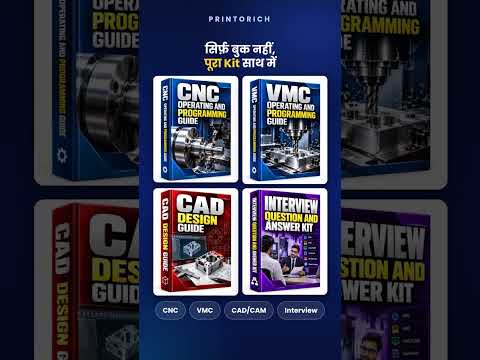
Step 3: Invest in Practical Training and Starter Kits
Theory alone will not make you a confident programmer. You need hands-on practice and affordable learning resources or starter kits to bridge the gap between operating and programming. Dedicate time to studying engineering blueprints, calculating tolerances, and simulating tool paths before running programs on the actual shop floor.
Take the Next Step in Your Career
Transitioning to a programming role not only increases your earning potential but also makes you an indispensable asset in modern CNC machining. By taking proactive steps to understand control panels, master programming codes, and practice regularly, you can comfortably make the leap from pushing buttons to creating the code that drives modern manufacturing.


