Introduction to CNC Machining
Computer Numerical Control (CNC) machining is a cornerstone of modern manufacturing. By utilizing pre-programmed computer software, this automated process dictates the movement of factory tools and machinery with incredible precision. Whether you are an aspiring engineer, a hobbyist, or looking to integrate industrial automation into your workflow, understanding the foundational CNC machining process is essential for transforming digital concepts into physical components.
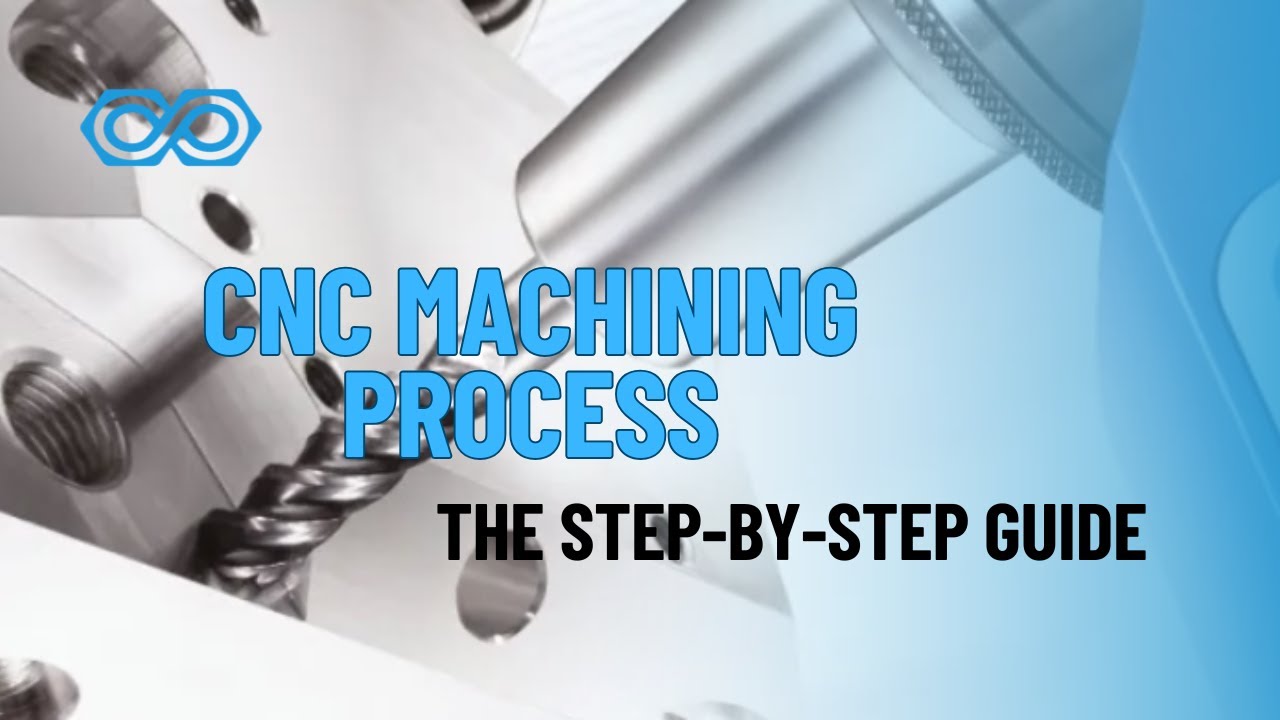
Visualizing the precision of mechanical engineering through CNC systems.
The Step-by-Step CNC Workflow
The manufacturing journey using CNC technology follows a structured workflow that bridges computer-aided design with mechanical execution. Here is the breakdown of the essential stages:
- Designing the CAD Model: The process begins by creating a 2D or 3D vector part design using CAD software. This establishes the structural parameters and dimensions of the mechanical component.
- Converting CAD to CNC Code: The completed design is run through CAM (Computer-Aided Manufacturing) software, which extracts the geometry and converts it into G-code and M-code—the languages that command the CNC machine.
- Machine Setup: Before operation, the technician prepares the machine by mounting the workpiece into fixtures and installing the required cutting tools, such as end mills or drills.
- Execution: The automation engineering system takes over as the program executes, precisely cutting away material to reveal the final high-quality mechanical assembly.
Conclusion
Mastering the CNC machining process opens endless possibilities for precise production and structural design engineering. From complex industrial parts to custom prototypes, understanding this automated workflow ensures efficiency and accuracy. Start implementing these steps in your next manufacturing project to see the true potential of computer-guided automation.


